


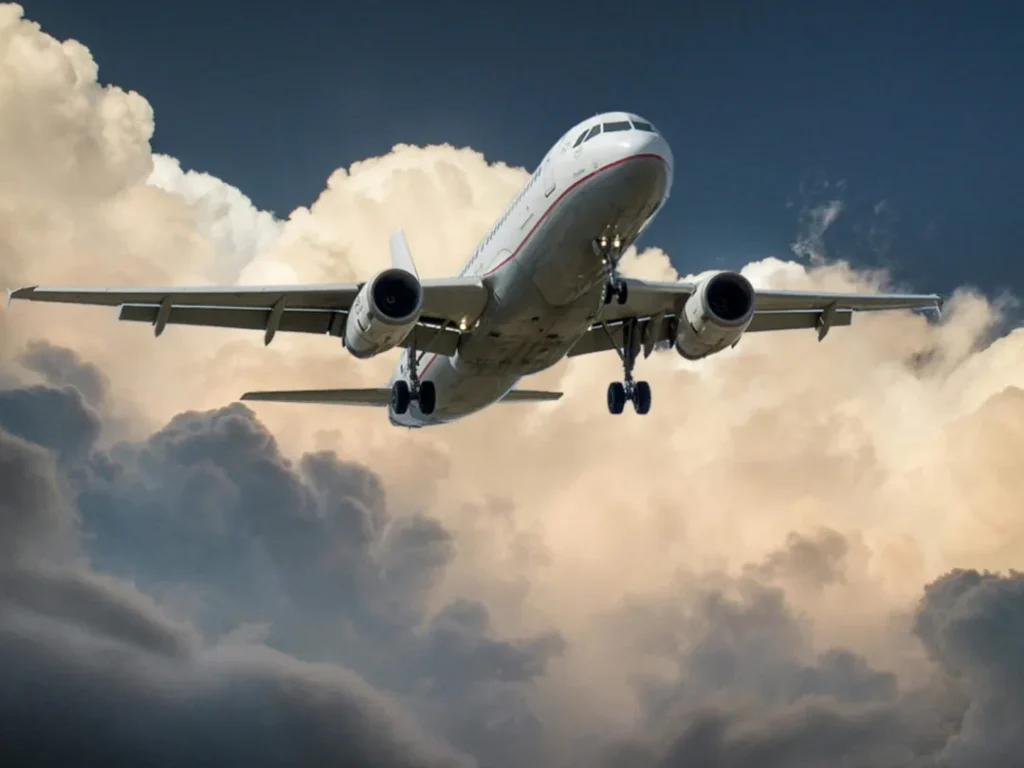
Washington, United States. Airlines are cutting capacity and raising fares after jet fuel prices doubled since the outbreak of the Iran conflict, disrupting an industry that had been on track for record profits. Analysts and industry figures warned that financially weaker carriers could face the greatest strain.
Profit outlook pressured by higher fuel costs
The industry had forecast profits of $41 billion for 2026 before hostilities began last month, but that outlook is now under pressure. Carriers including United Airlines, Air New Zealand and Scandinavia’s SAS have announced capacity reductions, fare increases or fuel surcharges.
United Airlines CEO Scott Kirby said last week that fares would need to rise 20% to cover higher fuel costs. Cathay Pacific lifted its fuel surcharges twice in the past month; a return fare from Sydney to London now carries an $800 surcharge on top of a round-trip economy ticket that previously cost roughly A$2,000.
Industry warns of competing pressures on demand and pricing
“Airlines face an existential challenge,” said Rigas Doganis, former head of Olympic Airways and a former easyJet director who now chairs London-based Airline Management Group. He said airlines would need to cut fares to stimulate weakening demand while higher fuel costs would push them to increase fares.
Budget carriers seen as more exposed
Budget airlines are considered most vulnerable due to reliance on price-sensitive passengers as rising petrol costs squeeze household budgets. Nathan Gee, Bank of America’s head of Asia-Pacific transport research, said price-sensitive travellers could downgrade even short-haul trips, potentially switching to rail, bus or other alternatives.
Capacity cuts viewed as key lever
Barclays’ head of European transport equity research, Andrew Lobbenberg, said capacity cuts were the industry’s primary lever for raising prices. He said the only way to get prices up was to reduce capacity.
Fourth oil shock this century and supply concerns
The disruption marks the fourth oil shock for aviation this century, following crises in 2007-08, around 2011 and after Russia’s invasion of Ukraine in 2022. It is the first in which some carriers have raised concerns about securing physical fuel supplies following the closure of the Strait of Hormuz.
Limited quick fixes and widening gap among operators
Airlines have few quick fixes, with replacing older aircraft a longer-term option. Pandemic-era supply chain disruptions and engine problems have delayed deliveries, and new planes have arrived too slowly even for carriers that invested heavily in fleet renewal.
Dan Taylor, head of consulting at aviation advisory firm IBA, said the shock would widen the gap between strong and weak operators. He said carriers with robust balance sheets, strong pricing power and reliable access to capital were better positioned to absorb pressures, while airlines with low profitability and limited funding options may face increasing financial stress.
How will higher fares and capacity reductions affect your travel plans in the coming months?