


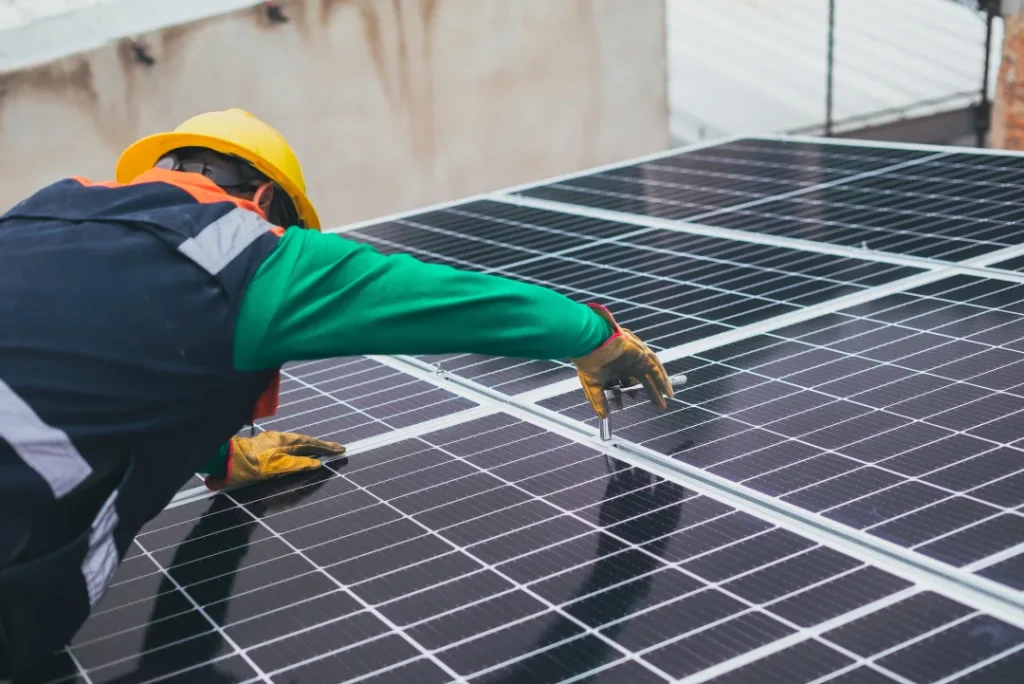
Nicosia, Cyprus. Akel leader Stefanos Stefanou has warned that the planned termination of subsidies for residential photovoltaic systems and building energy upgrades at the end of 2025, without new plans in place, could create a gap in Cyprus’ green transition.
In a letter to the energy minister, Stefanou said the change would intensify uncertainty for households seeking to invest in renewable energy, energy saving and home energy upgrades.
Concerns over subsidy end and market uncertainty
Stefanou said the end of subsidies at the close of 2025 would undermine momentum in the residential sector and increase uncertainty for thousands of households planning investments in cheaper and cleaner energy, energy saving and energy upgrades.
He added that uncertainty is compounded by the decision to end net metering on December 31, 2025 and shift horizontally to net billing, without a transitional phase and before an affordable and mature energy storage market has been established.
Questions over grant programmes and net billing impact
Stefanou said the ministry has repeatedly announced “PVs for All” grant plans in recent years, but said they have not materialised.
While acknowledging that net billing is a regulatory obligation and, at the grid level, a fairer and more energy-sustainable model, he argued that without effective access to affordable energy storage and in an electricity market unable to address high energy costs, net billing is currently becoming less economically beneficial for households.
He said private electricity suppliers are currently benefiting by buying surplus household energy at competitive market prices, including zero during low-demand periods, and reselling it at current high rates.
Requests for clarity and proposals to bridge the gap
Stefanou called on the minister to clarify when new support plans would be announced for home photovoltaics, energy storage, energy communities, renewable energy communities, building upgrades and energy-saving solutions.
He also requested information on specific measures the ministry intends to introduce to make home energy storage financially accessible, particularly for middle- and low-income groups.
Stefanou outlined proposals to bridge what he described as a green energy gap, including maintaining targeted net metering for vulnerable households unable to afford energy storage, alongside virtual net metering for apartment residents and those without space for panels, to ensure households are not excluded from the benefits of the energy transition.
What measures do you think are most important to ensure households can keep accessing affordable clean energy after 2025?