


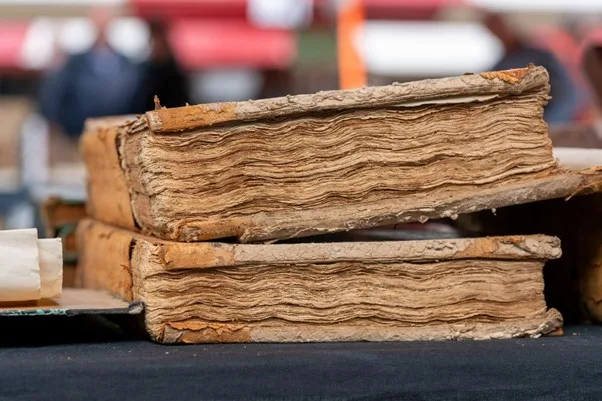
Nicosia, Cyprus. Authorities have seized an ancient Bible at a checkpoint and handed it to the Department of Antiquities, highlighting ongoing efforts to protect Cyprus’ cultural heritage. Specialists are now caring for the manuscript as part of wider measures against illicit trade and deterioration.
Seizure underscores risks to religious heritage
The handover of the manuscript to the Department of Antiquities has drawn attention to the continuing vulnerability of sacred texts and other heritage objects in Cyprus. The incident reflects broader efforts to safeguard cultural property from trafficking and damage.
Regional talks focus on curbing trafficking
Regional discussions have reinforced concerns about cultural heritage trafficking across the Eastern Mediterranean. According to Cyprus Mail, Cyprus and Egypt have been leading talks aimed at curbing illicit trade, with religious manuscripts, icons and ecclesiastical artefacts often among the most vulnerable objects due to their historical and spiritual significance.
Cyprus’ historical role in Christian scholarship
Cyprus has a long association with Christian history and religious scholarship, from early apostolic journeys to Byzantine-era monasteries. Ancient churches and ecclesiastical archives remain part of the island’s cultural landscape, and manuscripts are recognised as cultural patrimony protected under antiquities legislation and international agreements.
Preservation and access in the digital era
The episode highlights the need to protect and preserve fragile physical manuscripts while scripture has become more widely accessible through digital platforms. Where access previously depended on printed copies or attending services, scripture is now available on smartphones, tablets and computers, often searchable and offered in multiple translations.
Online platforms such as online-bijbel.nl provide complete versions of the Bible alongside psalms, hymns and liturgical texts, expanding access regardless of geography. Digitalisation separates preservation from access by allowing content to circulate widely while original texts remain protected in archives.
How do you think authorities should balance protecting physical manuscripts with expanding digital access to their content?