


Singapore, Singapore. Surging oil prices and the escalating U.S.-Israeli war with Iran weighed on airline stocks in Asia on Monday, adding pressure on carriers facing tight airspace as travellers sought to avoid the Middle East conflict.
Oil surge and travel disruptions
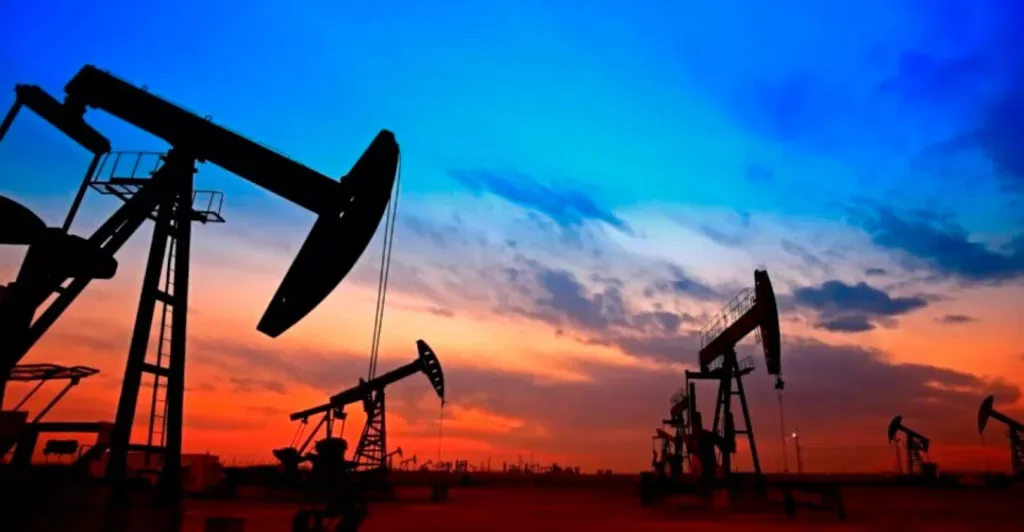
The war has driven up fuel prices, with oil jumping 20% in early trading on Monday to its highest level since July 2022, amid fears of tighter supply and prolonged disruptions to shipments.
Stranded passengers have been paying large sums to leave the Middle East, including last-minute trips to airports, overland travel to less impacted hubs, and, at times, fighter jet escorts for passenger planes.
With most regional airspace still closed due to missile and drone concerns, some travellers have turned to private jets as charter flights and limited commercial services struggled to evacuate tens of thousands of people.
Flight cancellations and operating conditions
From Feb. 28, when the U.S.-Israeli war with Iran began, through March 8, more than 37,000 flights to and from the Middle East were cancelled, according to Cirium data.
Brendan Sobie, a Singapore-based independent aviation analyst, said operating conditions had been difficult even before the Middle Eastern crisis and the oil price spike due to political and economic uncertainty and supply chain issues. He said uncertainty had increased further.
Airline shares fall across the region
Shares in Australia’s Qantas Airways, Air New Zealand, Hong Kong’s Cathay Pacific, Japan Airlines, Korean Air Lines, and major Chinese carriers China Southern and China Eastern fell between 4% and more than 10% on Monday.
Shares of Indian carriers IndiGo and SpiceJet dropped 7.5% and 5.6%, respectively.
Fuel costs and hedging
Fuel is the second-largest expense for air carriers after labour, typically accounting for a fifth to a quarter of operating expenses. Some major Asian and European airlines have oil hedging in place, while U.S. airlines have largely stopped the practice over the past two decades.
How do you expect sustained higher fuel prices to affect airline fares in your region?