


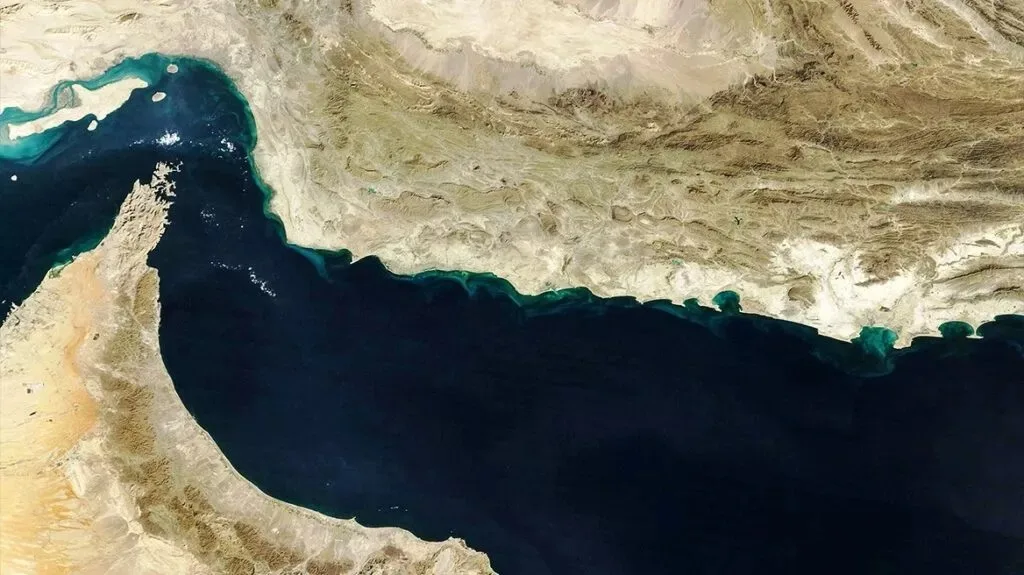
Dhaka, Bangladesh. Asian utilities are ramping up coal-fired power generation to contain costs and protect energy supply after LNG shipments through the Strait of Hormuz were disrupted and spot prices rose to three-year highs. Industry officials described the move as the second major supply shock in four years.
LNG supply shock and price surge
Asia spot LNG prices have doubled after Qatar, the world’s second-largest LNG exporter, halted shipments and traffic through the Strait of Hormuz nearly stopped following the US-Israeli war on Iran.
Utilities shift generation and secure coal supplies
Bangladesh is increasing coal power generation and coal-fired power imports. The Philippines is ramping up coal-fired output while sharply cutting LNG-fired generation. Vietnam is negotiating new coal supply contracts, and Thailand is boosting output from its largest coal plant to preserve LNG stocks.
South Korea plans to lift ceilings on coal-fired output and raise nuclear generation, while Japan’s top utility JERA said it would keep coal plants running at high utilisation rates.
Pakistan cites flexibility and solar additions
Pakistan’s Power Minister Awais Leghari said domestic coal plants would be able to produce more during off-peak hours as LNG generation falls. He added that solar additions had helped the country avoid a repeat of the blackouts that followed Russia’s 2022 invasion of Ukraine.
Outlook for LNG demand and higher costs
Wood Mackenzie analyst Lucas Schmitt said the conflict would “significantly reduce Asian LNG demand growth in 2026,” with the consultancy cutting its forecast for regional LNG imports to around five million metric tons from 12.4 million tons, based on an assumed two-month disruption to Middle East supply.
Asian buyers are also expected to face higher costs from June, as most LNG contracts are linked to oil prices on a three-month lag.
Impact on poorer economies and energy transition
The supply shock is expected to cause lasting damage to LNG demand across Asia, with the blow falling hardest on South Asia’s poorest economies. Aziz Khan, chairman of Bangladesh’s Summit Group, which operates an LNG regasification unit, warned that surging power costs were unsustainable, saying: “You’re breaking the backbone of the economies of poorer countries.”
Analysts said the crisis could accelerate a shift away from fossil fuel imports, as natural gas has accounted for a declining share of Asia’s power generation for nearly a decade as renewables expand. Sam Reynolds, LNG research lead at energy think tank IEEFA, said: “Recent shocks once again refute the case for relying on imported fossil fuels in energy sector development plans, potentially creating more opportunities for renewables.”
How are higher LNG prices affecting electricity costs where you live?