


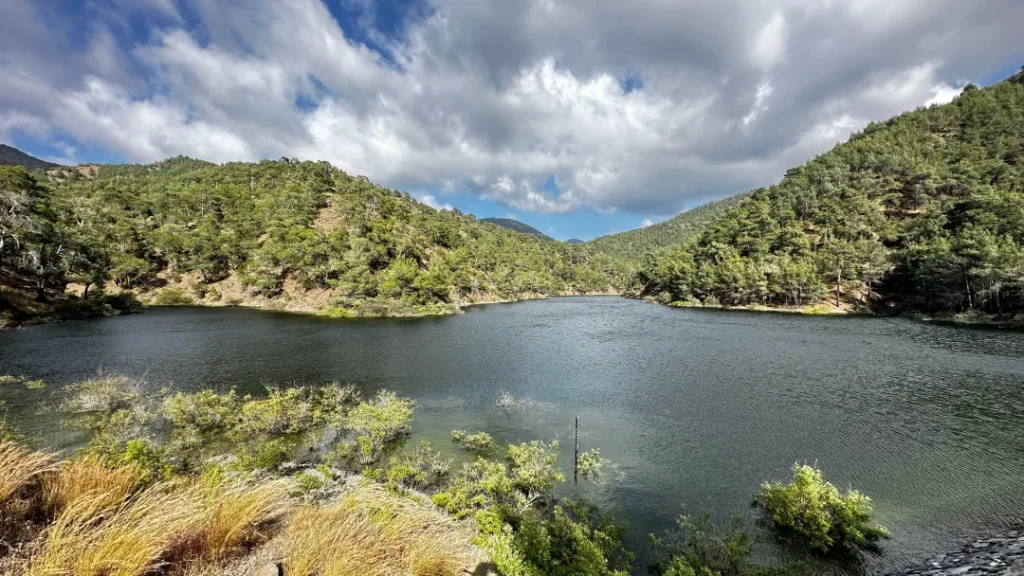
Paphos, Cyprus. The Ayia Marina Chrysochous dam overflowed on Saturday morning, the third of the eight dams in the district to overflow following recent rainfall.
Deputy mayor cites environmental significance
Deputy mayor of Ayia Marina Chrysochous Patroklos Evangelou described the overflow as “an event of particular environmental importance for the Paphos district.”
Dam capacity and purpose
With a capacity of 298,000m³, the dam is among Cyprus’ smaller dams and is primarily used for irrigation purposes in the Chrysochous area.
Weather variability and climate change
Evangelou said the repeated overflow highlighted “the variability of weather phenomena and the need for modern water management policies that take into account the impacts of climate change.” He attributed the overflow to persisting rainy conditions and said proper management of water resources played an important role “in an era of intense climate change.”
Support for agriculture and water supply source
Evangelou said the dam supports agricultural production in the Chrysochous region, which he said depends largely on water availability, adding that the dam is supplied with water from the nearby Xeros river.
Dam history and regional overflows
He said the dam’s construction in 1965 was a “significant technical development” at the time and that it contributed to retaining and properly utilising water in an area with intense seasonality in rainfall.
The overflow follows the recent overflow of the Argaka and Pomos dams, which have capacities of 990,000 and 859,000m³ respectively.
Reservoir levels after rainfall
According to the agriculture ministry, recent rainfall has contributed more than 12 million m³ of water to Cyprus’ reservoirs, which have reached 27 per cent fullness. The ministry said reserves remain low and significantly below those recorded during the same period last year.
How do you think Cyprus should balance irrigation needs with long-term water management as weather patterns change?