


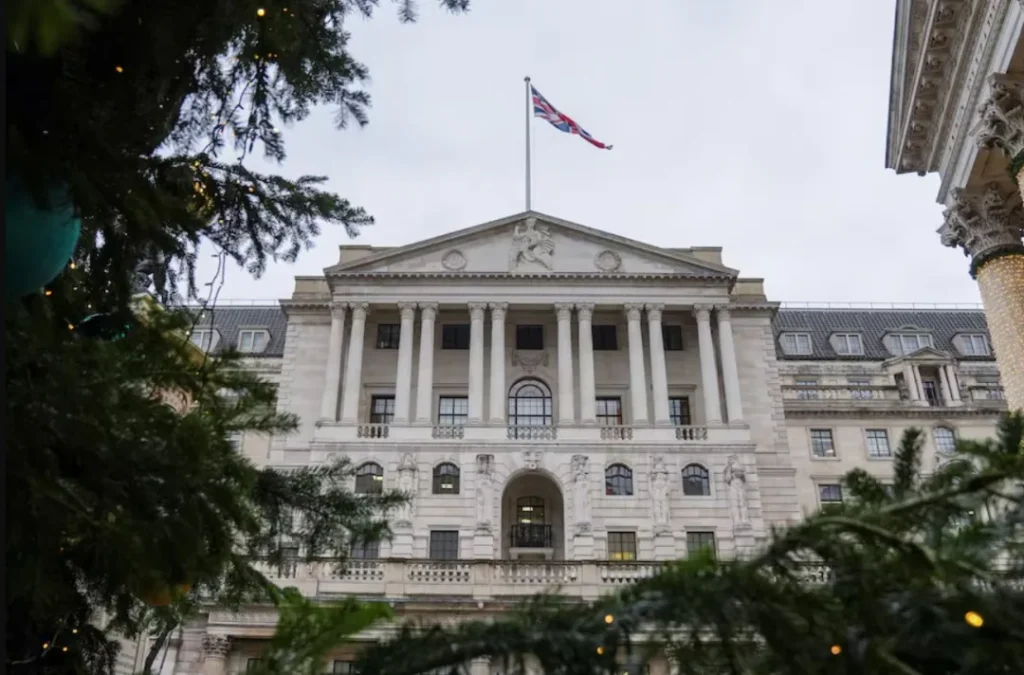
London, United Kingdom. The Bank of England’s rate-setters voted unanimously to keep borrowing costs unchanged and said they were ready to act to counter inflation risks linked to war in the Middle East. The decision led investors to increase bets on higher borrowing costs later this year.
Unanimous vote to keep Bank Rate on hold
The BoE’s Monetary Policy Committee voted 9-0 to keep Bank Rate at 3.75%, the central bank said on Thursday. Economists polled by Reuters had mostly expected a 7-2 vote to hold rates.
Inflation outlook and policy stance
The MPC said inflation could rise as high as 3.5% over the next two calendar quarters, according to BoE staff forecasts, and said it was alert to the risk of higher inflation expectations becoming embedded in the economy. It also noted risks of an economic slowdown that could weaken inflation pressures, but said the bigger risk was higher inflation and that it “stands ready to act as necessary” to keep inflation on track for its 2% target.
Bailey cites fuel and energy risks
Governor Andrew Bailey said petrol prices were already higher and household energy bills would go up later this year if the conflict lasts. “We have held interest rates at 3.75 per cent as we assess how events unfold,” Bailey said in a statement. “Whatever happens, our job is to make sure inflation gets back to its 2 per cent target.”
Market reaction and bond yields
Investors moved to price in two quarter-point rate hikes by the BoE this year. Yields on two-year British government bonds, which are sensitive to speculation about rates, rose 34 basis points on the day to 4.486%, the highest since January 2025. Some of the day’s increase came earlier on news of more damage to gas infrastructure in Qatar.
Bailey cautions on assumptions of rate rises
Bailey later said markets were getting ahead of themselves in assuming rate rises. “I would caution against reaching any strong conclusions about us raising interest rates,” he told broadcasters. “Today we’ve given a very clear message. The right place to be is on hold.”
How do you think the Bank of England’s emphasis on inflation risks will affect borrowing costs this year?