


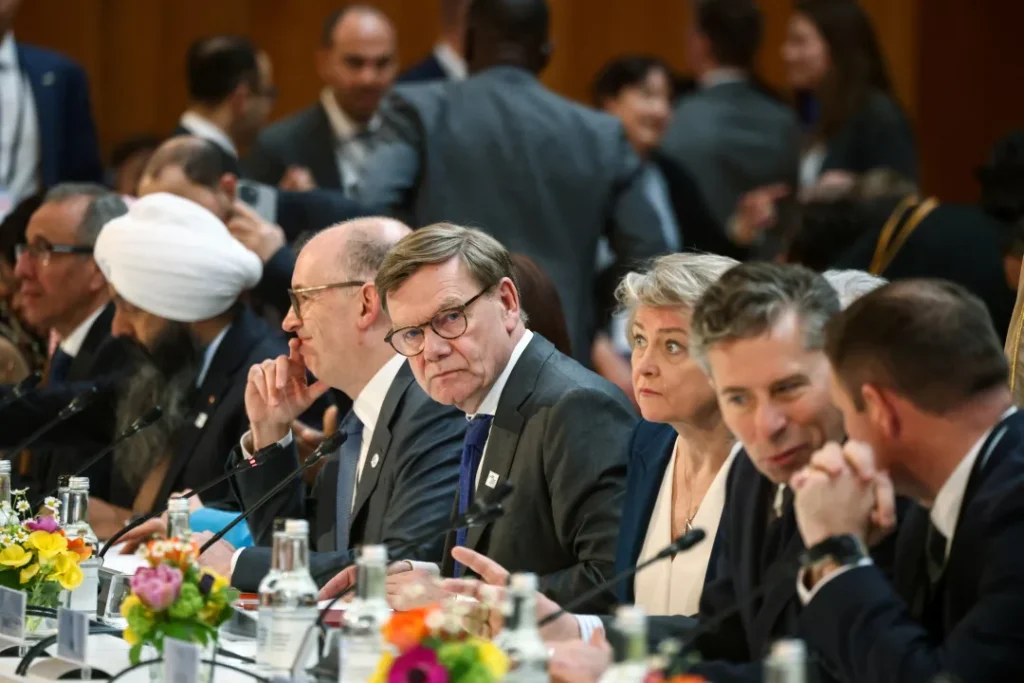
Berlin, Germany. An international conference in Berlin has produced pledges of more than 1.5 billion euros ($1.77 billion) in humanitarian aid for Sudan, German Foreign Minister Johann Wadephul said on Wednesday. The three-year war between the Sudanese army and the paramilitary Rapid Support Forces has fueled what aid groups describe as the world’s worst humanitarian crisis.
Funding commitments and humanitarian situation
Wadephul thanked donors for their pledges, saying they would help alleviate suffering, save lives, and show the conflict has not been forgotten. He said the conference aimed to refocus attention on Sudan at a time when development spending by established donors is increasingly squeezed and global attention has been drawn to wars in Ukraine and Iran.
Millions of people have been forced to flee their homes, and widespread hunger has left almost 30 million people relying on food assistance, while many state institutions are close to collapse.
Calls for renewed international focus
Comfort Ero, president and CEO of International Crisis Group, said the Berlin conference was an important signal that Sudan was not being forgotten, but added that an end to the war appeared as distant as ever.
Attendance and absence of warring parties
Officials from more than 50 states and dozens of Sudanese and international NGOs attended the conference. Neither of the warring parties sent representatives, in the absence of a ceasefire agreement.
Pressure for ceasefire and efforts to curb arms flows
British Foreign Secretary Yvette Cooper reiterated the need for humanitarian support to relieve immediate suffering but said the fighting needed to end as quickly as possible. She called for every possible pressure to be put on the warring parties to reach an urgent ceasefire.
Much attention will be devoted to stopping the flow of arms from outside Sudan, but the task has been complicated by ongoing fighting, continued involvement of regional powers, and the refusal of the two factions to cooperate.
What steps do you think the international community should prioritize to help bring about a ceasefire in Sudan?