


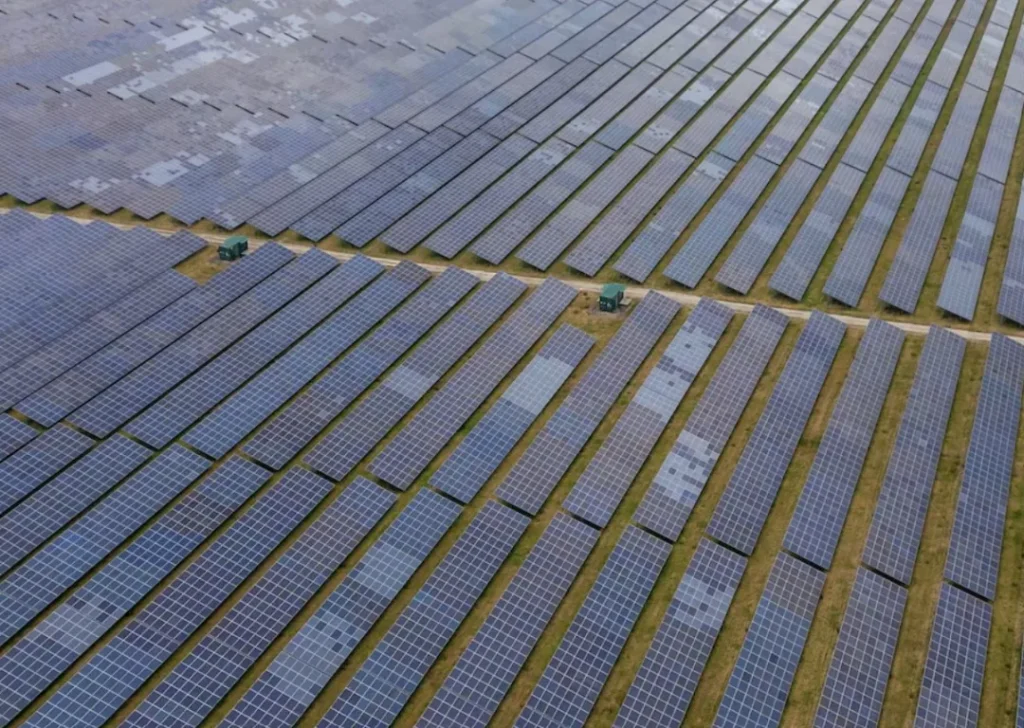
London, United Kingdom. Britain on Tuesday set out plans to reduce the link between electricity prices and volatile gas prices, including moving older wind and solar generators onto fixed contracts to lower consumer bills.
Electricity pricing and consumer bills
Britain has some of the highest electricity prices in the world due to the structure of its energy market, where gas sets the price for all generation most of the time. Prices rose after the start of the war in Ukraine and again with the impact of the Iran war.
Domestic energy prices are forecast to rise by more than 10% from July as the regulator makes its quarterly price cap adjustment. Wholesale gas costs are currently 30% higher than before the conflict began, threatening a government pledge to lower energy bills.
Proposed changes to reduce exposure to gas prices
To weaken the link with gas prices, the government said it will offer voluntary long-term contracts to existing low-carbon generators not already being paid a fixed price for their output, covering around a third of Britain’s power supply.
How wholesale electricity prices are set
The wholesale electricity price is set every 30 minutes by the cost of the last energy source used to ensure demand is met. The government said that even if wind, solar and nuclear provide 99% of the power needed, if gas-fired plants are needed to make up the last 1%, then gas sets the price for every buyer and seller.
The government said Britain had moved from gas setting the price of electricity about 90% of the time in the early 2020s to around 60% today.
Government stance and tax changes
Energy Secretary Ed Miliband said the country was facing a second fossil fuel shock in less than five years and argued for clean energy security.
The government said it will increase the Electricity Generator Levy, used to claw back excess profits made by wind and solar generators when electricity prices jump, to 55% from 45%.
Renewable project sites and capacity
The government said opening parts of the public estate for renewable energy projects, including brownfield, industrial and railway sites, could potentially allow up to 10 gigawatts of new capacity.
How do you think these measures could affect your household energy bills?