


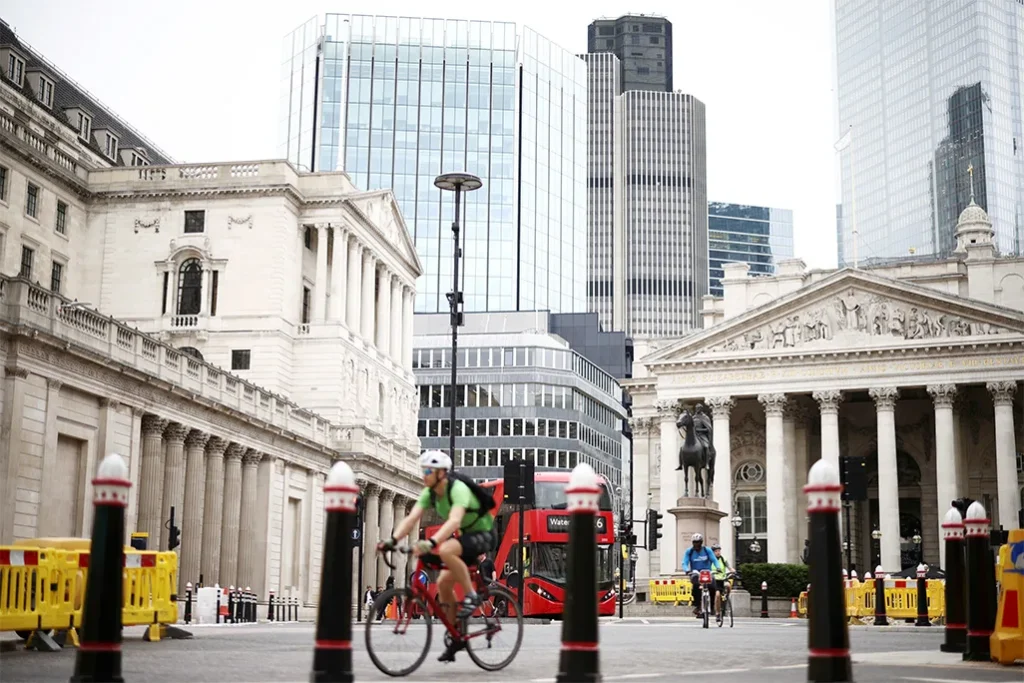
London, United Kingdom. Britain’s economy unexpectedly stagnated in January, according to official data that pointed to weak momentum after months of near-flat growth. The figures came before the U.S.-Israeli war on Iran, which investors see as a potential additional drag.
Official figures miss forecasts
Gross domestic product showed zero growth in January, the Office for National Statistics said on Friday, below the median forecast of a 0.2% month-on-month rise in a Reuters poll of economists. In the three months to January, GDP rose 0.2%, compared with expectations for a 0.3% increase.
GDP has been essentially flat since June, despite promises by Prime Minister Keir Starmer and finance minister Rachel Reeves to speed up the economy.
Sector performance and market reaction
There was no growth in the dominant services sector in January, contrasting with more upbeat business surveys. Manufacturing and construction output rose modestly.
Sterling slipped against the U.S. dollar after the data were published.
Energy exposure and bond market moves
Investors view Britain as more exposed than many other Western countries to an energy price shock because of heavy reliance on imported gas and stretched public finances that may limit government support for energy users.
British government bond prices have fallen sharply since the start of the U.S.-Israeli war on Iran.
Rate expectations shift amid inflation risk
“This is a worrying start to the quarter, given that the early-year improvement in business confidence is likely to be short-lived,” said Fergus Jimenez-England, associate economist at NIESR.
While disappointing GDP data would typically spur expectations for Bank of England interest rate cuts, investors are now pricing in a roughly 86% chance of a BoE rate hike by the end of 2026 due to rising inflation risk.
How do you expect the Bank of England to respond to the latest growth and inflation risks?