


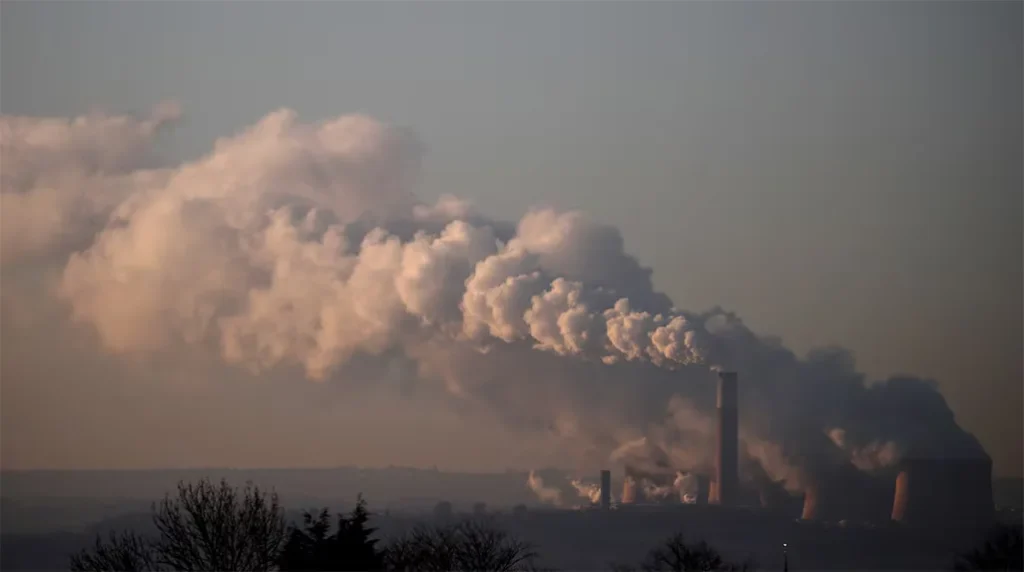
London, United Kingdom. Britain on Tuesday set a target to cut emissions by around 87% by 2040 from 1990 levels as it steps up efforts to meet net zero goals. The government said the shift could help curb energy costs and create jobs, but it has yet to outline how the target will be achieved.
Energy and climate policy
Reducing carbon emissions would align with international efforts to limit rising global temperatures, and the Labour government says cleaner energy can help shield the country from fossil fuel price volatility, which has been worsened by the Iran war.
Energy minister Ed Miliband said in a statement: “As Britain faces the second fossil fuel shock of the decade, the only way to protect family and business finances is to drive for clean homegrown power that we control.”
This year’s surge in energy prices followed unprecedented supply disruption in the Middle East and came after a previous fossil fuel price spike around the time Russia began its invasion of Ukraine in 2022.
Household bills and political debate
Millions of households are expected to face a 13% increase in energy bills from July after regulator Ofgem raised its price cap because of a jump in wholesale gas prices.
Fossil fuel price rises have deepened divisions in Britain and elsewhere between those calling for more oil and gas drilling and others pushing for greater use of renewable energy.
What the target may require
Meeting the government’s emissions goal would likely require major investment in low-carbon technology, including renewable power, heat pumps and electric vehicles, as well as significant lifestyle changes such as reduced meat consumption, the Climate Change Committee said last year when recommending the target.
Aviation emissions would also need to fall, which would require less flying unless sustainable fuel can be developed more quickly.
Last year, the opposition Conservative Party withdrew its support for the 2050 net zero target, calling it impossible.
So far, Britain’s greenhouse gas emissions have fallen by around 54% from 1990 levels, including a 2% year-on-year decline in 2025. That was largely due to lower industrial sector emissions after blast furnace closures in the iron and steel sectors.