


Geneva, Switzerland. Congo’s Ebola outbreak has recorded the largest number of confirmed cases within the first month of any episode of the disease, a senior World Health Organization official said on Tuesday. The official said the surge was partly driven by the virus spreading quickly to urban areas.
Outbreak scale and spread
The Bundibugyo outbreak in the Democratic Republic of Congo has infected more than 1,000 people and killed 267. It was detected late, and experts say the virus had already been circulating for months before it was officially declared on May 15.
WHO’s Abdirahman Mahamud told a press briefing in Geneva that part of the reason for the scale of the outbreak was that some early confirmed cases were in urban centres, including Bunia and the mining town of Mongbwalu. He said many past outbreaks were first identified in rural areas and often subsided quickly.
Response efforts
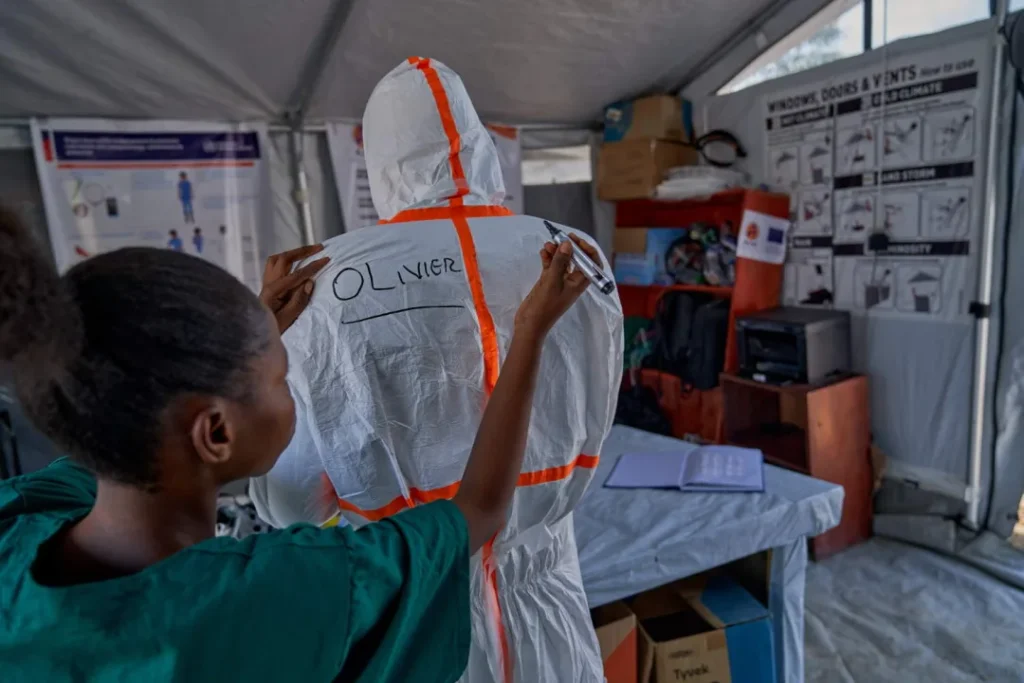
Mahamud said the response needed to be expanded and that the outbreak was moving faster than responders. He spoke after returning from Bunia last week.
He also pointed to signs of progress, including a rapid increase in the number of Ebola beds to more than 500 over the past two weeks and indications that community resistance and violent resistance to Ebola responders were beginning to ease.
He said more communities were becoming aware of the risk of Ebola and were asking for tools to support and protect themselves.
Wider context and displacement camps
The two largest previous Ebola outbreaks were in West Africa, across Guinea, Sierra Leone and Liberia, where 11,000 people died between 2014 and 2016, and in Congo in 2018, which was less deadly.
Ebola cases have now been reported in at least three crowded displacement camps in eastern Congo.
At the same briefing, the International Organization for Migration’s Abdoulaye Wone said at least 25 cases had been confirmed in the camps, including 14 deaths. He said the camps had already been facing overcrowding before the outbreak, and that many residents leave during the day for work or to seek food.