


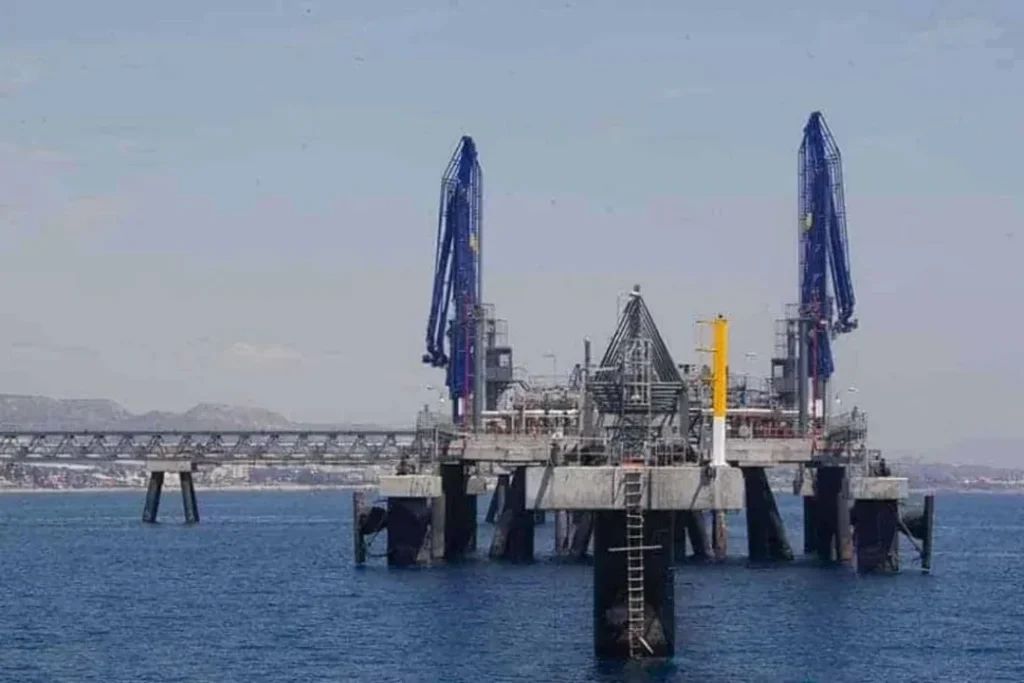
Nicosia, Cyprus. Cyprus on 19 May approved the Development and Production Plan for the Cronos gasfield in block 6 by the ENI-TotalEnergies consortium. The plan centres on a fast-track subsea tie-back to existing Zohr and Egyptian gas infrastructure, with gas to be liquefied at the Damietta LNG plant for export.
Development plan and export route
The project is designed to connect Cronos to existing infrastructure in Egypt through a subsea tie-back, with deliveries planned to supply natural gas to Damietta by 2028. The gas would be liquefied at the Damietta LNG plant for export.
Upstream ambitions and value considerations
The planned development of Cronos marks a step for Cyprus’s upstream ambitions, 15 years after the first gas discovery at Aphrodite. Questions remain over how value is captured under assumptions on recoverable reserves, costs, and future LNG prices.
Resource uncertainty and reservoir characteristics
Cronos is located in a carbonate reservoir analogous to Egypt’s Zohr, indicating a working petroleum system but also introducing uncertainty. Carbonate reservoirs are described as heterogeneous, and early estimates may overstate recoverable volumes if assumed connectivity is not present.
Zohr was initially estimated to hold 30 trillion cubic feet of gas, with estimates later reduced to 10 trillion cubic feet of recoverable gas. For Cronos, a working range is cited with a base case of 2.0–2.2 trillion cubic feet and a downside case of about 1.5 trillion cubic feet, with the modest resource base described as central to project economics.
Dependence on Egyptian infrastructure
The tie-back approach reduces upfront capital requirements but creates dependence on Egyptian tariffs, infrastructure access, and operational conditions, which are expected to influence Cronos economics.
What do you think will most influence whether Cronos creates meaningful value for Cyprus?