


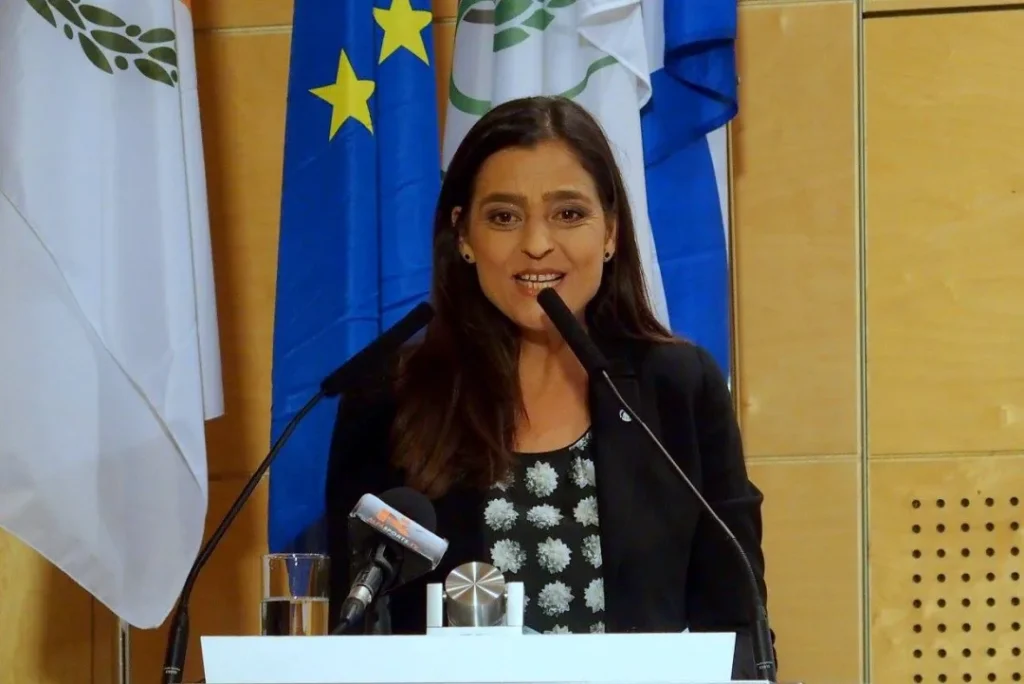
Nicosia, Cyprus. Weaknesses in the administration of welfare benefits, including insufficient checks, delayed interventions and staffing shortages, were examined on Thursday by the House audit committee during a review of a special Audit Office report on the deputy ministry of social welfare. Deputy Social Welfare Minister Clea Hadjistefanou-Papaellina and senior officials said many of the shortcomings had already been addressed through reforms, digitalisation and stronger controls.
Audit findings presented to committee
Presenting the Audit Office’s compliance review for the 2022-23 period, Marina Drakou said the Welfare Benefits Management Service paid €411 million in benefits to around 103,000 beneficiaries in 2023.
The total included €194 million in guaranteed minimum income payments to 19,500 beneficiaries, €88 million to 24,000 low-income pensioners, €79 million in child benefits to 59,000 recipients and €38 million in single-parent benefits to around 11,000 families.
Weaknesses identified in sample review
Auditors examined 225 transactions, including 182 involving the welfare benefits service, and identified weaknesses in 70 cases, representing 38 per cent of the sample.
Auditors also identified limited checks on applicants’ overseas assets and bank deposits, while some benefits continued to be paid using outdated information.
Issues in pension, child and single-parent benefits
The report found cases of low-income pension payments continuing after the death of a household member, insufficient income verification and failures to update information on pensions received from abroad.
For child and single-parent benefits, auditors identified payments made before applications had been submitted or assessed, inadequate checks on applicants’ income and assets, and failures to verify family circumstances.
Audit Office recommendations
Drakou said effective social policy depends on reliable information systems, meaningful data cross-checking, timely reassessment of beneficiaries, improved coordination between public services and stronger social intervention mechanisms.