


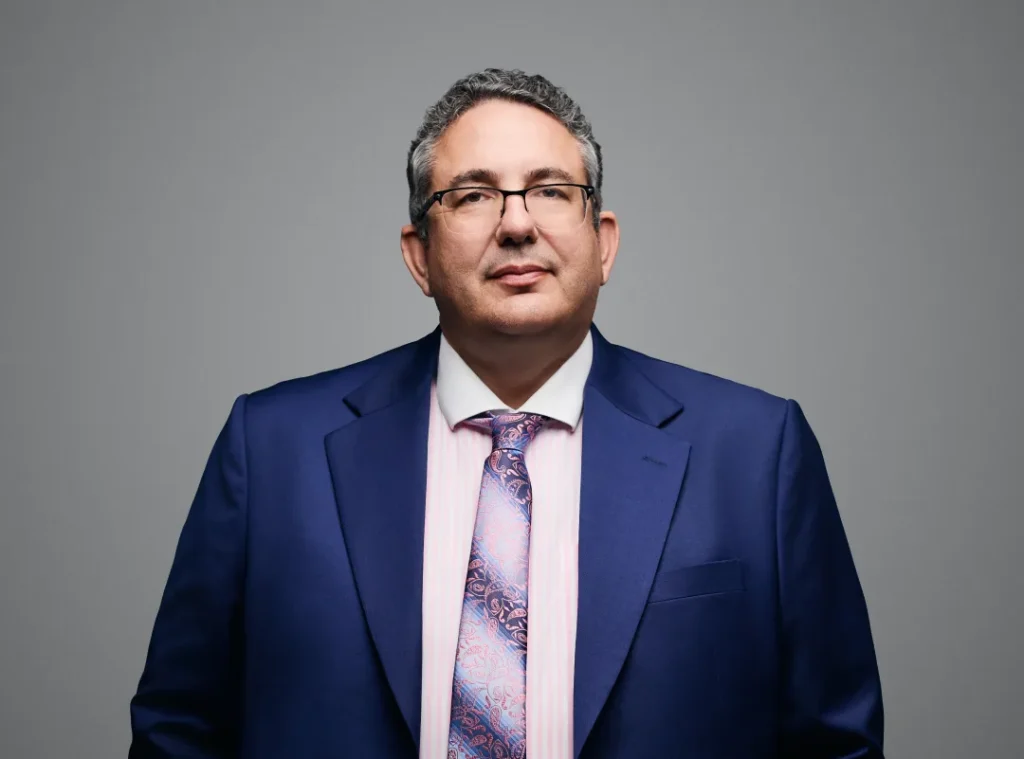
Vienna, Austria. Cyprus’ Chief Scientist for Research, Innovation and Technology, Demetris Skourides, represented the country at two European science and policy meetings in Austria and Germany last week. The discussions focused on the role of scientific advice in shaping European Union decisions.
ESAF meeting in Vienna
Skourides first took part in the European Science Advisors Forum (ESAF) Intermediate Meeting, held in Vienna on June 10, 2026, ahead of the forum’s next Annual General Assembly, which is expected to take place in Brussels in early December.
The meeting was hosted by the Austrian Academy of Sciences, as Austria currently holds the ESAF chairmanship.
ESAF was established in 2014 following an initiative by the European Commission. It operates as an EU-level forum and network aimed at promoting the use of scientific evidence in policymaking, while allowing members to exchange practices and reflect on the role of scientific advice in political and non-political decision-making.
Skourides represents Cyprus in ESAF, participates in its Executive Committee and currently serves as Deputy Chair of the forum.
Topics discussed
During the Vienna meeting, delegates discussed issues linked to the future of scientific advice in Europe. These included the European Code of Principles for Scientific Advice for Policy and Society, as well as Anticipatory Scientific Advice for Security and Resilience in Europe.
JRC Board of Governors meeting in Karlsruhe
Following the ESAF meeting, Skourides travelled to Germany, where he represented Cyprus at the 139th Meeting of the Board of Governors of the Joint Research Centre (JRC) of the European Commission.
The meeting was held on June 11 and 12 at the JRC’s facilities in Karlsruhe.
Role of the Joint Research Centre
The JRC is the European Union’s in-house scientific and technical service, providing independent and evidence-based scientific advice to support EU policy.
Its work covers a wide range of areas, including climate change and environmental protection, public health and food safety, nuclear energy and radiation protection, the digital transition, artificial intelligence, and economic and social cohesion.