


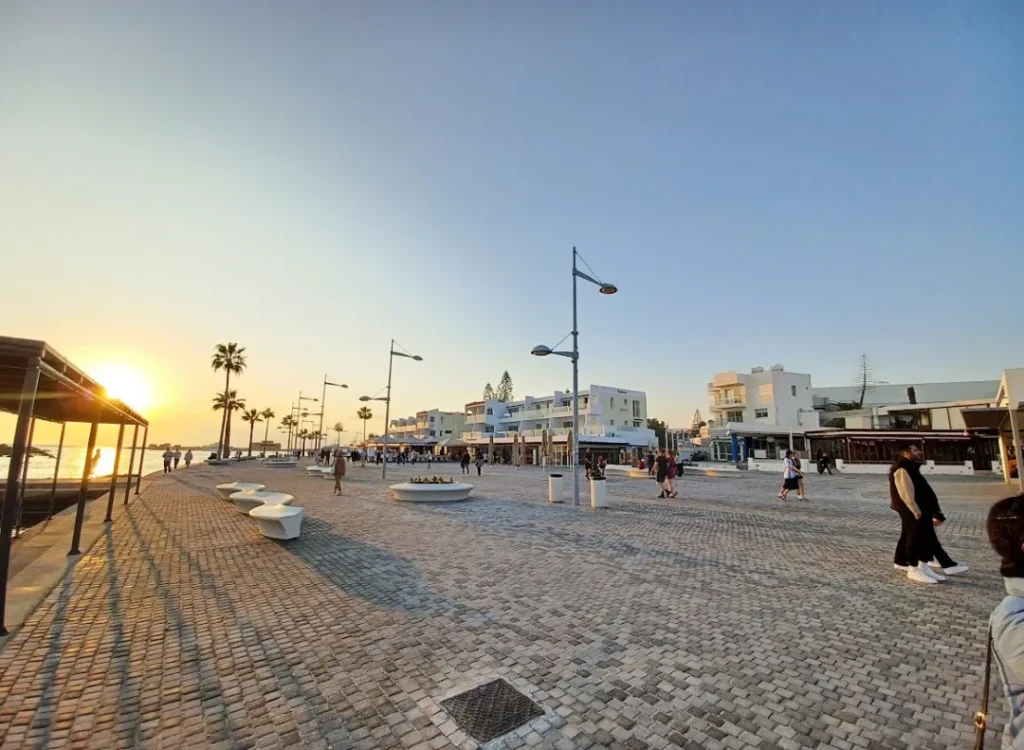
Paphos, Cyprus. The Cyprus Presidency of the Council of the European Union will host a high-level conference in Paphos on June 26 titled “Strengthening EU Islands and Coastal Communities”. The event will present the European Commission’s first comprehensive strategies for Europe’s islands and coastal communities.
Conference participation
The conference will take place at the Elysium Hotel and will be attended by President of the Republic of Cyprus Nikos Christodoulides and Prime Minister of Malta Robert Abela.
Scope of the new strategies
The initiatives are designed to address the needs of the 17 million people living on more than 4,000 islands across 16 member states, including Cyprus, Ireland, and Malta, as well as the 95 million people living along 70,000 kilometres of EU coastlines across 22 member states.
Policy objectives
The strategies were developed to turn longstanding geographical and economic challenges into opportunities through a coordinated approach to energy, connectivity, security, and the environment.
Island strategy pillars
The strategy for EU islands is based on four pillars: economic development and innovation; energy security and climate resilience; demographic support through improved public services; and stronger protection against natural disasters and maritime risks.
By incorporating island-specific needs into wider EU policy, the strategy aims to address depopulation and improve access to essential services.
Coastal communities strategy
The strategy for coastal communities focuses on promoting prosperity through a diversified blue economy, including pescatourism, offshore renewable energy, and the bioeconomy.
Measures include support for communities through the upcoming Ocean Act, backing for local supply chains, and the creation of a certification system for blue carbon credits.
Climate and liveability focus
The initiatives aim to support climate adaptation and liveability in coastal areas so they remain active places to work and live while protecting maritime culture and heritage.