


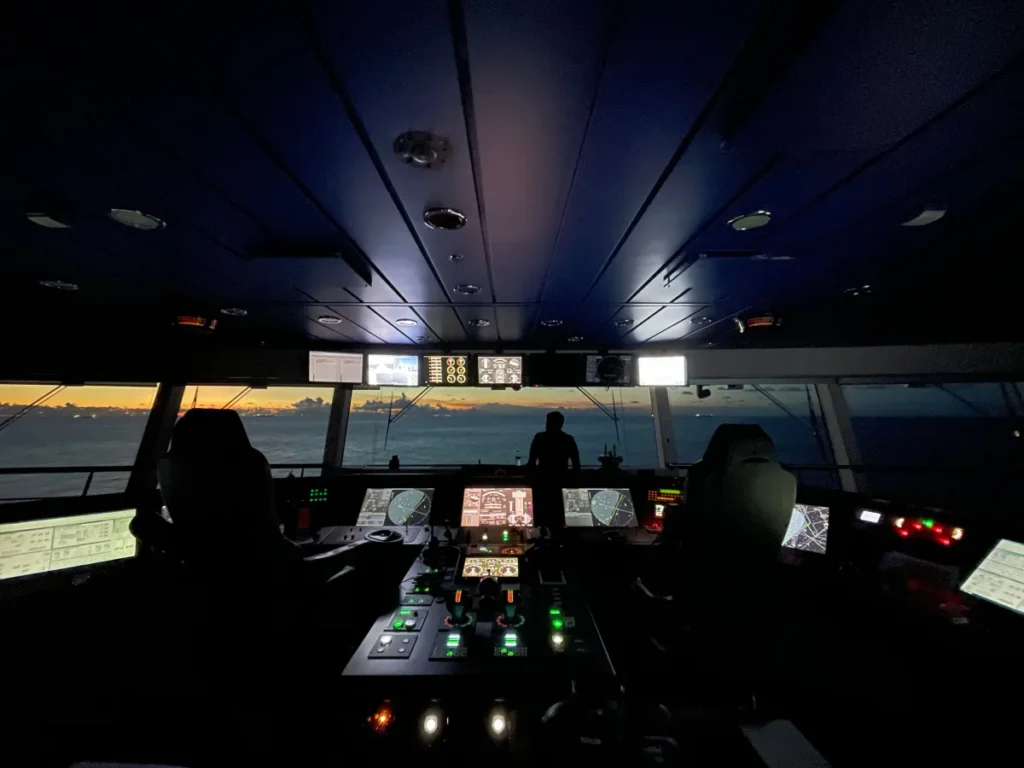
Nicosia, Cyprus. Cyprus is focusing on maritime education, workforce retention and women’s participation as it seeks to sustain one of Europe’s largest shipping centres. The sector supports more than 9,000 people ashore and over 55,000 seafarers working on vessels across international supply chains, according to government figures.
European maritime priorities
Cyprus placed seafarer education, retraining, career promotion and the equal participation of women at the centre of the Lefkosia Declaration, signed by EU maritime ministers in April during the island’s presidency of the Council of the EU.
Shipping Deputy Minister Marina Hadjimanolis said the declaration envisages a European maritime sector that “recognises its people as its most valuable asset”, linking shipping competitiveness to workforce skills, welfare and inclusiveness.
During an address to the International Maritime Organisation Council in London on July 7, Hadjimanolis again highlighted the need to strengthen seafarer education and training, expand retraining and skills development, and promote equal opportunities for women in maritime careers.
Cadet and scholarship support
Cyprus supports the transition from maritime studies to on-board employment through a scheme that pays shipping companies €600 per month for each cadet officer, for up to six months of training annually. Applications for the current programme may be submitted until October 31, 2027.
The Cyprus Maritime Academy’s cadet programme provides annual scholarships of €7,200 to eligible Cypriot students. The scholarships cover tuition and link recipients with shipping companies for the required 12 months of sea service and possible employment after graduation.
Women in maritime careers
Measures aimed at increasing women’s participation include the Women in Shipping campaign, the Cyprus Shipping Gender Equality Award and two scholarships worth €20,000 each for Cypriot women pursuing postgraduate maritime studies.
The IMO-WISTA survey, based on 2024 data, found that women accounted for just under 19 per cent of the maritime workforce covered by the study, but represented only 1 per cent of seafarers at sea. Women also accounted for 5 per cent of students taking seafaring courses, indicating a gap between maritime education and long-term careers on board.
New figures from Greece show that this picture can change quickly, while also raising questions about the future supply of officers.