


Nicosia, Cyprus. Cyprus said it has launched initiatives linked to its 2026 Presidency of the EU Council to engage young people in European affairs through art, design and creativity. The programmes involve primary, secondary, and technical and vocational students.
Children’s logo competition
Cyprus said a children’s logo competition invited primary school students to design logos for the Cyprus Presidency. The winning entry appears on the official Presidency calendar alongside other selected works. The initiative was described as fostering creativity while helping pupils understand the role and values of the European Union.
Secondary school arts competitions and exhibition
Secondary school students participated in fine and applied arts competitions that culminated in the exhibition Europe in Cyprus at an informal meeting of education ministers in Nicosia, which concluded on Friday. Cyprus said the works highlighted the country’s history and culture, and shared EU values of unity, dialogue and solidarity.
Commemorative gifts for official events
Cyprus said it ran a commemorative gifts competition for technical and vocational school students, who designed items for official events. The items included a bronze bookmark, handcrafted wooden figures, and symbolic coasters, many of which will be presented to visitors at upcoming EU meetings.
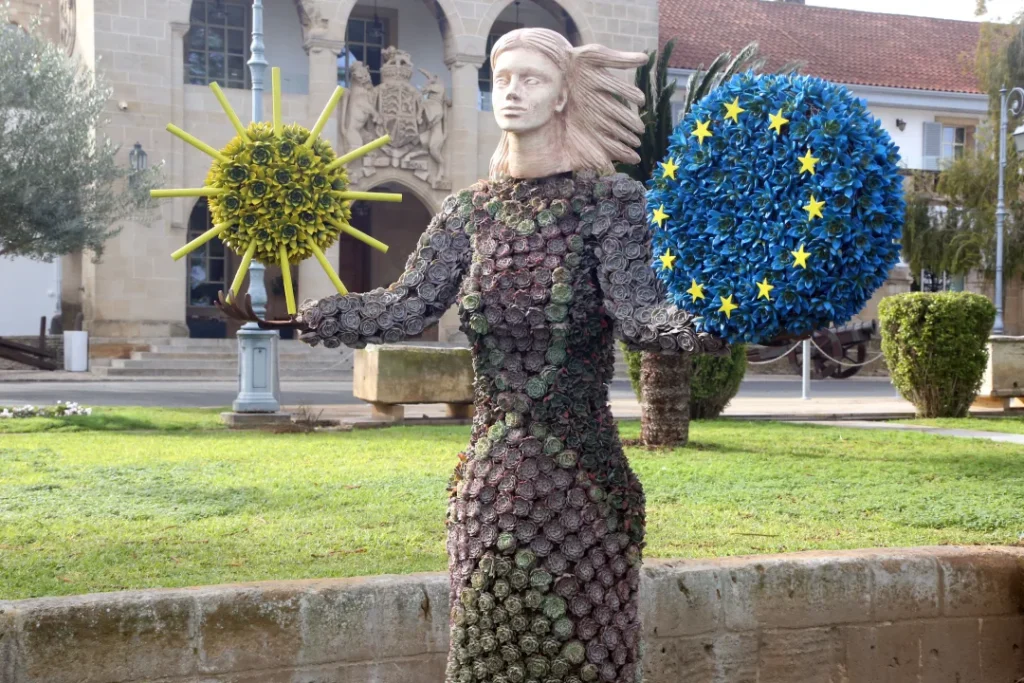
Green living sculptures
Green living sculptures created by technical and vocational school students and teachers were installed at the Presidential Palace and the conference centre, Cyprus said, combining creativity with environmental awareness.
Presidency statement
Cyprus said it has “invested substantially in the voice, creativity and participation of young people, strengthening their European identity and promoting culture and education as fundamental pillars of a shared European future.”
Which of these initiatives do you think will have the biggest impact on youth engagement in EU affairs?