


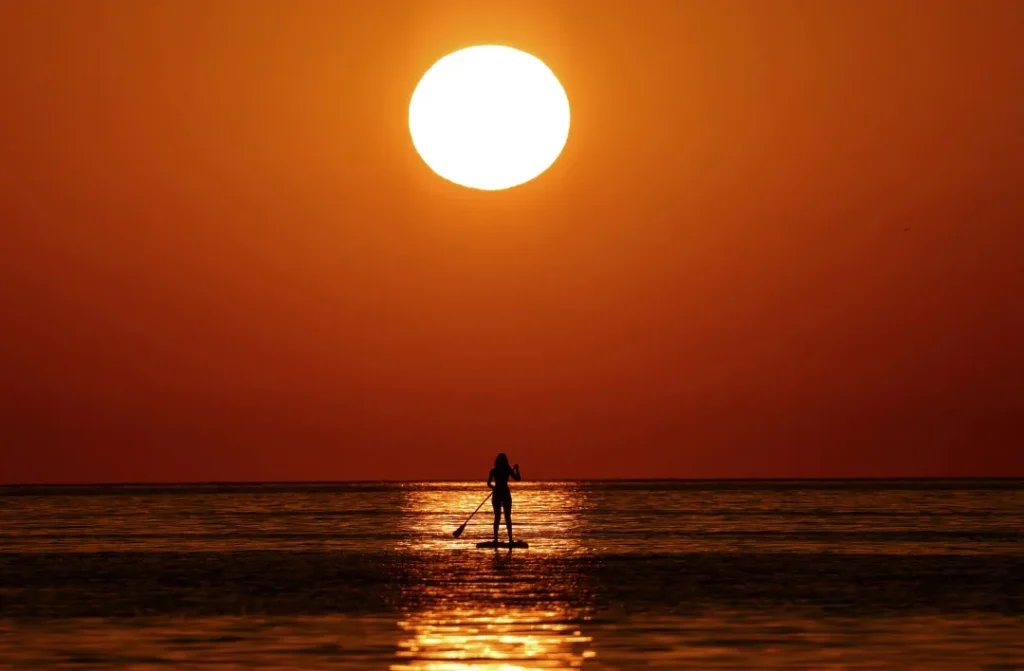
Lefkara, Cyprus. Cyprus recorded temperatures of 46.1C and 44.7C in July 2025 as the European State of the Climate 2025 report documented growing climate impacts across Europe and globally.
Record temperatures in Cyprus
Cyprus recorded its highest temperature of 46.1C on July 27, 2025, in Lefkara, and 44.7C on July 24, 2025, in Athalassa. The meteorological department said the Athalassa figure was the highest recorded in July since measurements began in 1983.
Climate report and regional hotspots
The European State of the Climate 2025 report was compiled by the Copernicus Climate Change Service and the World Meteorological Organisation and includes data from around the world, with a focus on Europe’s vulnerable hotspots.
Forest fire and southeastern Europe conditions
Cyprus’ meteorological department said on Thursday that in July 2025 the island battled the worst forest fire ever recorded in Cyprus, during what it described as an especially difficult anti-fire period across southeastern Europe.
EU commissioner comments on Copernicus
European commissioner for defence and space Andrius Kubilius said the report shows that climate change is a reality for Europe and underlined the importance of an independent Earth observation system. He said Copernicus provides information needed to guide decisions aimed at a more resilient and sustainable future for Europe.
Warming trends and Paris Agreement threshold
The report said the consequences of climate change are becoming more evident in Europe, particularly the eastern Mediterranean. It estimated current global warming at about 1.4C above the pre-industrial level and said that if warming continues at the present rate, the Paris Agreement’s 1.5C limit for long-term global warming could be reached by the end of this decade.
Europe warming faster than global average
According to the report, Europe has been warming twice as fast as the global average since the 1980s, making it the fastest-warming continent. It said heatwaves are becoming more frequent and severe, extreme rainfall is leading to catastrophic floods, glaciers continue to melt, and climate change is affecting biodiversity.
How do you think heat and fire risks should be addressed in Cyprus as temperatures rise?