


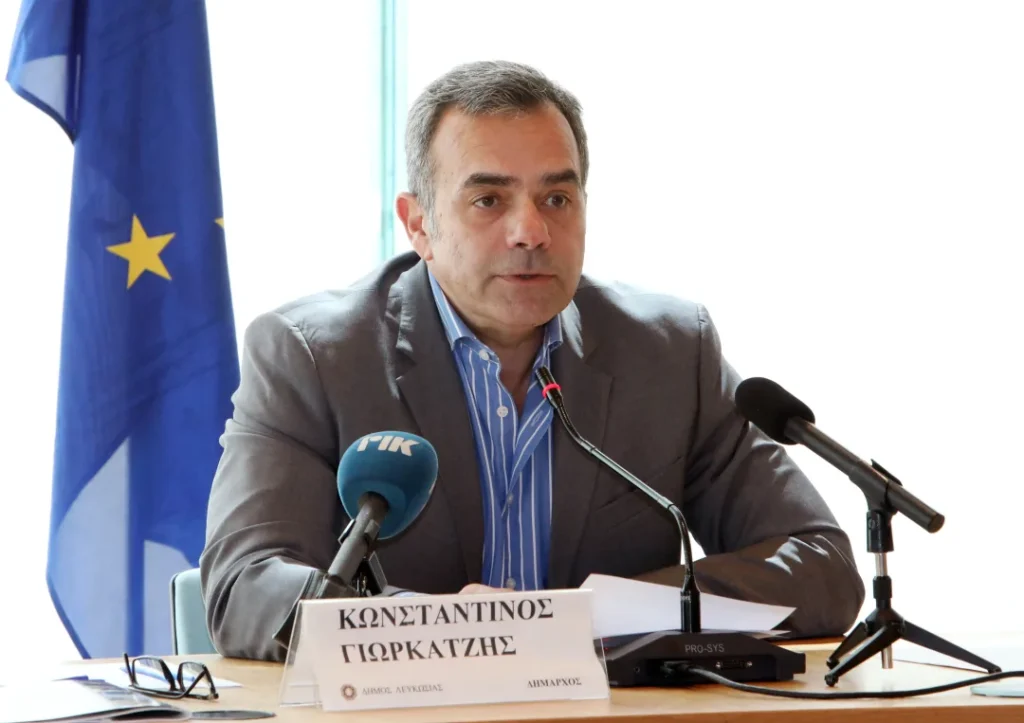
Nicosia, Cyprus. Cyprus must focus on whether it is prepared to adopt a modern, effective and unified water management system to ensure water adequacy for coming decades and generations, Nicosia district government organisation president Constantinos Yiorkadjis said on Thursday.
He said the infrastructure and know-how already exist, but a comprehensive national water strategy is needed, describing water as an issue of environmental sustainability and national security.
Call for unified authority
In an article made public on Thursday, Yiorkadjis said water is a foundation for development and social cohesion and that its management requires unified planning, clear responsibilities and a long-term vision.
He said adopting such a strategy would require the creation of a unified water management authority with administrative, financial and operational independence to oversee the water situation, coordinate all involved organisations and draft policy.
Scope of the proposed strategy
According to Yiorkadjis, the authority would prepare a plan covering reservoirs, desalination units, irrigation networks, recycled water, rainwater, underground resources and an invoicing policy.
He said the invoicing policy should protect average households and vulnerable groups while discouraging unnecessary consumption.
Current model and international examples
Yiorkadjis said separating water production from water administration authorities would improve transparency, accountability and effective decision-making.
He added that 15 European Union member states have already adopted similar policies to regulate and supervise the water sector, citing Greece as the latest example.
District needs and infrastructure planning
Yiorkadjis said that despite significant investments in recent decades, Cyprus’ current model for managing water resources and consumption remains fragmented, making coordination difficult.
He added that each district has different needs and that measures should be tailored rather than uniform, while strategic planning should extend beyond consumption management to infrastructure planning.