


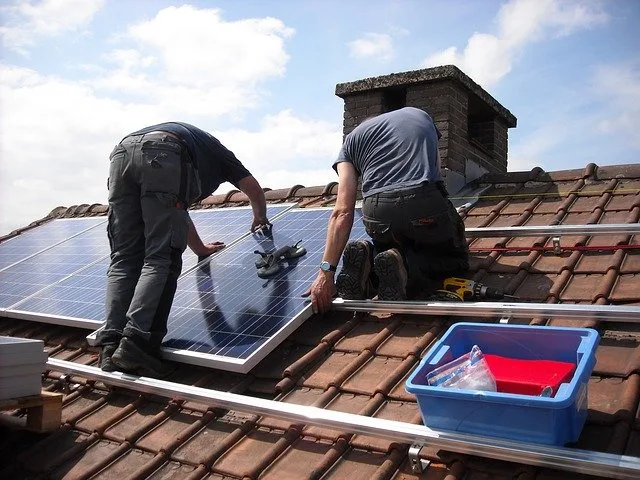
Nicosia, Cyprus. Cyprus’ parliament unanimously voted on Thursday to stop writing off surplus electricity generated by household solar panel systems, pending a cabinet decision on compensation. The vote partially accepted a referral by President Nikos Christodoulides regarding amendments to the renewable energy promotion law.
Parliament modifies provisions after presidential referral
The decision partially accepts Christodoulides’ referral, with MPs modifying provisions to address concerns over constitutionality and the separation of powers. Under the approved framework, excess energy produced by households “will not be deleted” and will instead be retained until the cabinet sets out a compensation mechanism.
Committee and MPs cite consumer impact
House energy committee chair and Disy MP Kyriakos Hadjiyiannis said the committee opted for partial acceptance of the referral, stressing that “the main change is that surplus energy produced by household photovoltaics will not be deleted until the council of ministers decides.”
Dipa MP Alekos Tryfonidis said the move ensures that accumulated energy credits are preserved, expressing optimism that decisions will be taken “in favour of consumers.”
Diko MP Michalis Yiacoumi described the outcome as addressing “a clear injustice” affecting around 100,000 households, adding that previously erased surpluses “will no longer be reduced to zero”.
Criticism of renewable energy management and grid capacity
Akel MP Costas Costa criticised the broader handling of renewable energy, stating that cut-offs of photovoltaic production “have become the norm” despite earlier assurances they would be a last resort. He said the decision ensures “no energy reserves will be reduced to zero” and that responsibility for resolving the issue now shifts to the government.
Independent MP Irene Charalambides pointed to earlier commitments that no such reductions would occur, saying households that invested in solar systems continue to face high electricity bills due to “inadequate management”.
Ecologists MP Charalambos Theopemptou said the issue reflects broader structural challenges, arguing that “by 2030 all buildings should have photovoltaics” while stressing the need for solutions to absorb renewable energy into the grid.
How do you think the cabinet should structure a compensation mechanism for retained household solar energy surpluses?