


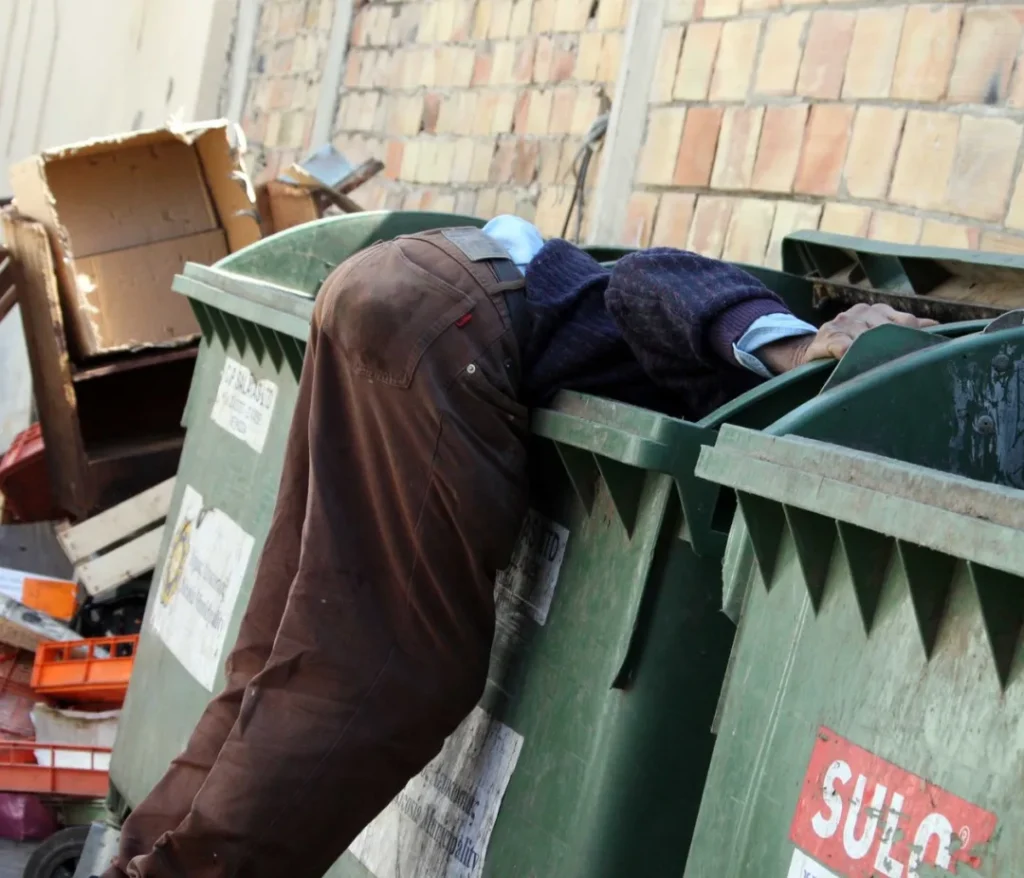
Nicosia, Cyprus. The share of people at risk of poverty or social exclusion in Cyprus has remained near 17% for four years, prompting the national network against poverty to warn that the country has entered an era of the “working poor”.
Stable poverty-risk levels
On Monday, the Cyprus Statistical Service published figures showing that about 167,000 people, or 17.1% of the population, were at risk of poverty or social exclusion in 2025. The rate was 17.5% in 2022, 17.4% in 2023 and 17.1% in 2024.
Network chairwoman Eleni Karaoli told the Cyprus News Agency that the lack of improvement was a concern given reports that the economy is doing well.
Groups most at risk
Karaoli said poverty risk varies by gender and age, with women—particularly single parents—among those at higher risk, alongside people over 65.
She said more women than men are at risk, as well as single parents and individuals living alone or in retirement homes, and identified women over 65 as the group facing the greatest danger. Karaoli noted that single parents are, in the overwhelming majority, women.
Karaoli also said immigrants face difficulties, citing cases where “eight could be living together in a miserable apartment”.
Call for national and European strategies
Karaoli said Cyprus needs a national strategy against poverty with the mandate of “joining all the pieces of the puzzle” and providing holistic solutions.
She expressed hope that a European strategy to address poverty would be announced during Cyprus’ EU presidency, which she said could be “possibly in May”. She added that on June 4 and 5, within the framework of the presidency, the network will host a conference for people experiencing poverty and social exclusion.
Costs and the “working poor”
Karaoli said Cyprus has entered an era of the “working poor”, describing households where both adults, or their children as well, may be working and still struggle to meet immediate needs.
She said that while inflation has stabilised, prices have not fallen, and that rising energy and fuel costs are being passed on to food and services.
What measures do you think should be included in a national strategy to reduce poverty and social exclusion?