


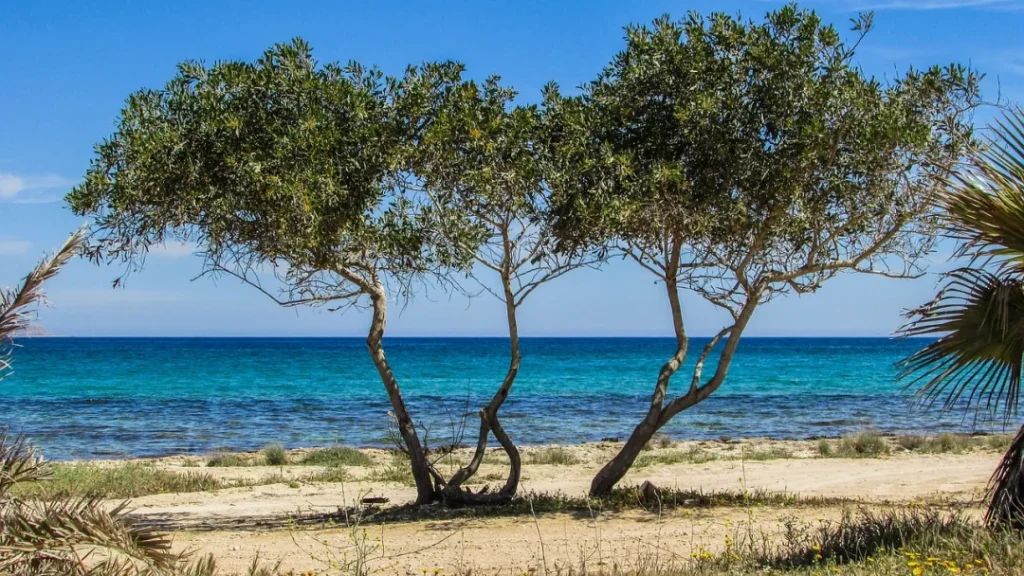
Nicosia, Cyprus. Cyprus ranked among the European Union’s top performers for bathing water quality in 2025, with all 123 monitored bathing sites across the island receiving the highest possible rating of excellent. The result was published on Tuesday in the bloc’s annual bathing water report.
Cyprus among top-performing countries
Cyprus joined Austria, Bulgaria and Greece among the countries where more than 95 per cent of bathing waters were classified as being of excellent quality.
In Cyprus, the figure reached 100 per cent, with all 123 bathing sites assessed during the 2025 bathing season receiving the top rating.
European overview
Across Europe, 85 per cent of monitored bathing waters were classified as excellent, while 96 per cent met at least the EU’s minimum quality standards. Only 1.5 per cent of sites were rated as poor, with the overall picture remaining broadly stable compared with 2024, according to the European Commission.
The assessment was based on data from more than 22,200 bathing sites monitored in 2025 across EU member states, as well as Albania and Switzerland.
Monitoring in Cyprus
In Cyprus, a total of 1,198 water samples were collected and analysed from the island’s 123 designated bathing areas.
The evaluation focuses on the suitability of waters for bathing, particularly by monitoring bacteria that can cause serious illnesses.
Coastal waters outperform inland waters
According to the report, coastal waters generally continue to outperform inland waters. In 2025, 88 per cent of coastal bathing waters across the EU were rated excellent, compared with 78 per cent of inland waters, such as rivers and lakes.
Interactive map and long-term improvements
The European Environment Agency, in cooperation with the European Commission, also published an updated interactive map allowing citizens to check the quality of individual bathing sites across Europe.
The commission attributed the long-term improvement in water quality to the implementation of EU water legislation, including the Bathing Water Directive, as well as better monitoring and management practices, investment in urban wastewater treatment facilities, improved sewage collection systems and more effective assessment of phenomena such as cyanobacterial blooms.