


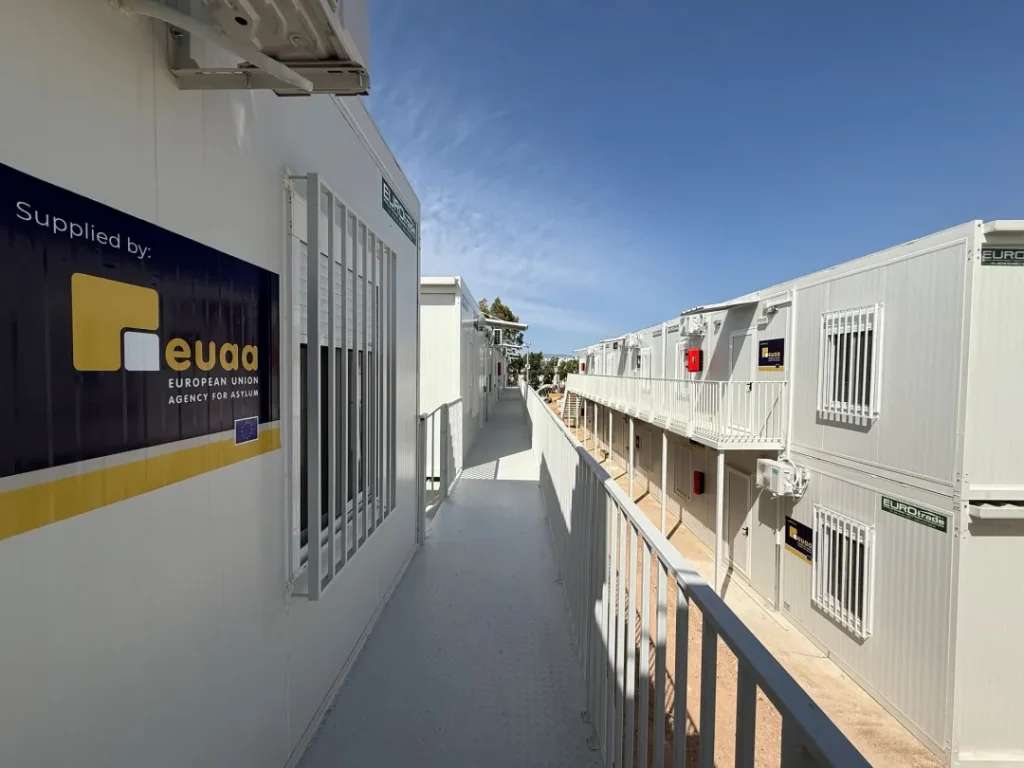
Nicosia, Cyprus. The number of asylum seekers receiving state rent and food allowances in Cyprus has fallen to around 2,000, according to the deputy migration ministry. The government attributed the decline to lower illegal migration, reduced welfare spending and faster processing of asylum claims, particularly for Syrian nationals.
Current beneficiaries and pending applications
The deputy migration ministry said on Monday that the remaining beneficiaries include nationals of Syria, the Democratic Republic of Congo, Somalia and Iraq. Syrians account for about 400 of those currently receiving assistance.
The latest figures show that about 13,600 asylum applications remain pending, including 9,600 submitted by Syrian nationals.
Faster processing for Syrian applicants
The ministry said it has instructed officials to speed up the examination of Syrian asylum applications. It said the move was based on its assessment that conditions in Syria have improved since the downfall of Bashar al-Assad and the country’s relative political stabilisation.
Despite the backlog in applications, the ministry said expenditure on asylum support has fallen sharply.
Returns and repatriations
The figures follow a series of measures introduced this year to reduce migration pressures and increase returns.
Police said on Sunday that 4,021 people were repatriated or deported during the first half of 2026 through national procedures and joint return operations coordinated with Frontex.
The government has also expanded voluntary return programmes for Syrian nationals. Earlier this month, Deputy Migration Minister Nicholas Ioannides announced financial incentives for eligible Syrian families choosing to return voluntarily, while one adult family member may remain in Cyprus under a temporary work permit.
EU return rules
President Nikos Christodoulides recently welcomed agreement on new EU return rules, including provisions allowing member states to establish return hubs in third countries.