


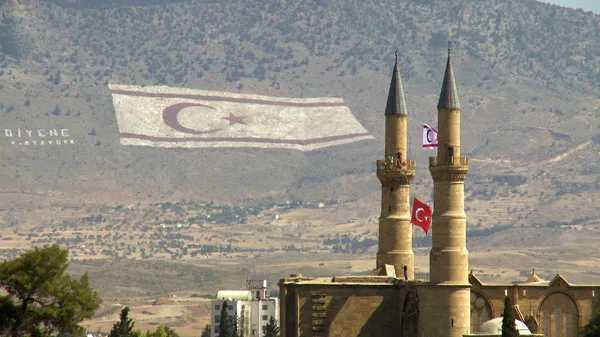
Nicosia, Cyprus. Cyprus has accused Turkey of continuing to violate international law and human rights through its military presence on the island, saying Ankara’s policies harm both Greek Cypriots and Turkish Cypriots and undermine prospects for reunification. In a formal response to the United Nations Human Rights Council, Cyprus rejected what it described as Turkey’s “baseless” positions presented during the council’s 61st session.
Response submitted to UN council
The Cypriot response, circulated as an official Human Rights Council document, reaffirmed the country’s commitment to the international human rights system.
It said ongoing violations of international humanitarian and human rights law in Cyprus are “a direct result of Turkey’s continued military occupation of one-third of the territory of a sovereign UN member state”.
Call for equal protection
Nicosia said the international community must ensure that “all Cypriots receive the same protection afforded in other situations involving foreign military aggression and occupation”.
It also said the credibility of international law and the United Nations system would be weakened if “aggressive states such as Turkey” were allowed to evade accountability through the passage of time.
Reference to UN report
Referring to the annual report of the UN human rights commissioner on Cyprus, the government said the document details “continuing violations arising from the invasion”.
Cyprus “categorically rejected” accusations made by Turkey and criticised Ankara’s continued support for what it described as a “separatist entity” condemned by the United Nations Security Council.
Position on the 1974 invasion
According to the response, such actions are intended to divert attention from Turkey’s responsibility for human rights violations in Cyprus.
The response described the 1974 invasion as “an act of aggression and a clear violation of international law, the United Nations Charter and the Treaty of Guarantee”.
It added that the “invasion, occupation and subsequent separatist actions have been repeatedly condemned” through resolutions adopted by both the UN General Assembly and the Security Council.