


Nicosia, Cyprus. Mediterranean fisheries ministers will gather in Cyprus in May to discuss a future vision for the region under the next ‘MedFish4Ever ministerial declaration’. The talks come as countries consider a 2026 decision to extend protections for deep-sea ecosystems by shifting a regional bottom trawling ban.
Ministerial meeting under EU leadership
Cyprus currently holds the presidency of the Council of the European Union, while Commissioner Costas Kadis is involved in steering EU fisheries and ocean policy. Under their auspices, fisheries ministers from Mediterranean countries are expected to meet in Cyprus in May.
Rising pressure on the Mediterranean Sea
The Mediterranean Sea is warming at two to three times the global average and is considered a climate change hotspot. Most fish stocks in the region remain overexploited, and invasive species are reshaping ecosystems across the Eastern Mediterranean, including in Cypriot waters.
Proposal to shift bottom trawling limit from 1,000 to 800 metres
With background studies having concluded positively, Mediterranean countries have an opportunity to adopt a precautionary, science-based decision in 2026 to better protect the Mediterranean deep sea. The proposal would shift the regional ban on bottom trawling from 1,000 metres to 800 metres.
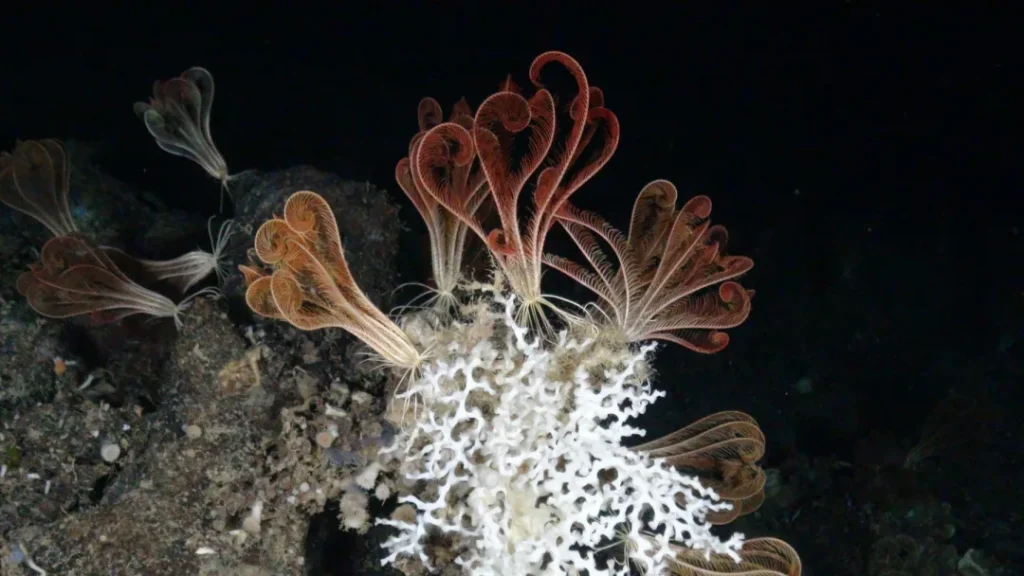
The current 1,000-metre limit was adopted by the General Fisheries Commission for the Mediterranean (GFCM) in 2005 as a precautionary measure to protect vulnerable deep-sea habitats such as cold-water corals and sponge grounds. In 2016, Mediterranean scientists called for a revision in light of new evidence, but a regional update has not been adopted.
Environmental and economic considerations
Bottom trawling drags heavy gear across the seabed, damages fragile habitats, affects non-target species, and adds pressure to ecosystems that recover slowly, if at all. The proposed shift is described as a low-cost intervention, with pilot projects in seven Mediterranean countries—Egypt, France, Greece, Italy, Malta, Spain and Tunisia—finding the fishing sector would broadly maintain its economic performance if the ban were adjusted.
Research by Oceana estimates that shifting the ban would help protect about 100,000 additional square kilometres of deep sea across the Mediterranean. The areas overlap with vulnerable marine ecosystems sensitive to bottom trawling and climate stress and include key essential fish habitats for overexploited stocks, including commercially important deep-sea shrimp such as the blue and red shrimp, which can still be caught in shallower waters.
Deep waters as climate refuges
As the Mediterranean Sea warms, deep waters are increasingly acting as climate refuges. Protecting ecosystems below 800 metres is presented as a way to support habitat resilience for marine life and fisheries.
What should Mediterranean countries prioritise in the upcoming MedFish4Ever ministerial declaration?