


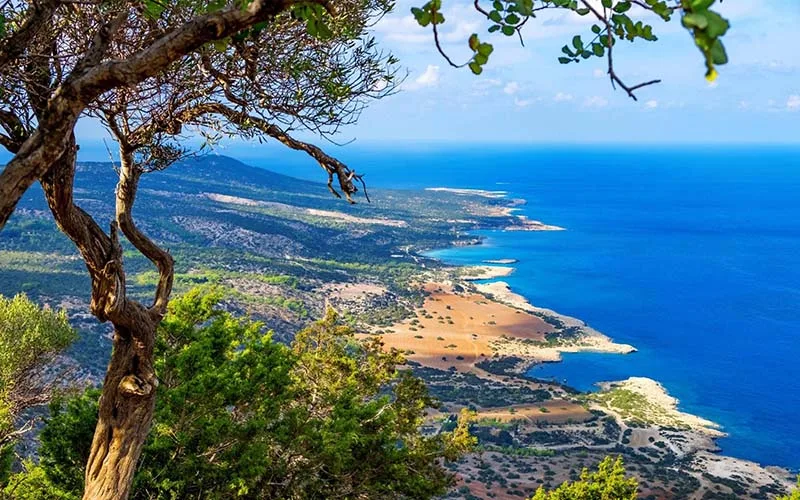
Nicosia, Cyprus. Cyprus must strengthen its environmental and climate governance as the island faces mounting pressures from climate change, the Office of the Commissioner for Environment and Animal Welfare said on World Environment Day. The office said stronger coordination across policy areas is needed as climate-related risks intensify.
World Environment Day statement
In a statement marking World Environment Day, the commissioner said the annual observance on June 5 was established by the United Nations in 1972 and has become the world’s largest platform for raising awareness and mobilising action on environmental issues.
This year’s theme, “Climate Action: Inspired by Nature”, focuses on protecting and restoring nature as a key response to the climate crisis and as a prerequisite for sustainable living.
Climate risks in Cyprus
The office said the eastern Mediterranean is among the regions most vulnerable to climate change, with Cyprus already experiencing rising temperatures, low rainfall, prolonged droughts, pressure on natural resources, biodiversity loss, and increasingly frequent and intense wildfires.
According to the statement, these developments are affecting water availability, agricultural production, coastal areas, infrastructure, and overall quality of life. The loss of soil moisture, changes in land use, the abandonment of rural and mountainous communities, and the impact of wildfires are also increasing the risk of land degradation and desertification.
As an island state, Cyprus is particularly exposed to climate-related risks, especially those linked to water resources, coastal erosion, and infrastructure. The commissioner said changes in the life cycles of plant and animal species, as well as in natural habitats, have already been observed.
Measures proposed
The statement said protecting land, water resources, and biodiversity requires integrated planning, including sustainable land-use policies, water management measures, the protection of Natura 2000 sites, and stronger environmental monitoring supported by scientific data.
It highlighted nature-based solutions, the protection of soil fertility, and the restoration of degraded areas as key tools to help the country adapt to climate change.
Call for stronger coordination
The commissioner said climate pressures now extend beyond environmental concerns and are increasingly affecting public health, energy security, agriculture, civil protection, living conditions, spatial planning, and the country’s long-term resilience.
Against this backdrop, the office said discussions on the possible creation of a deputy ministry for climate change and sustainable development should continue, arguing that stronger coordination is needed across policy areas affected by the climate crisis.