


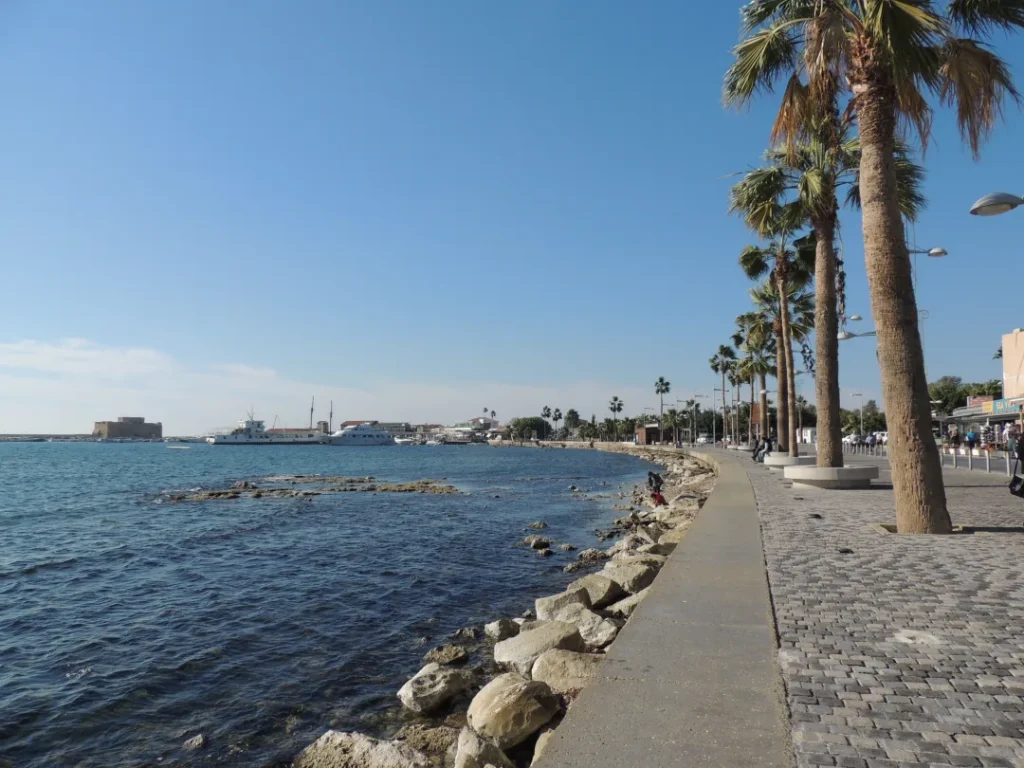
Limassol, Cyprus. The digital euro will offer offline transactions, physical cards for people who do not use smart devices and a full rollout by 2030, according to Central Bank of Cyprus payments director Stelios Georgakis. In a separate development, Limassol hoteliers said summer occupancy remains below last year’s levels, with the sector relying on last-minute bookings and domestic tourism.
Digital euro features and rollout
Speaking to the Cyprus News Agency, Georgakis said the digital euro is an additional payment option and the digital equivalent of banknotes and coins already in circulation.
He said the digital euro will not replace cash, with both banknotes and coins continuing to circulate alongside it. He added that its use will be entirely voluntary and that all associated services will be free of charge.
Georgakis also said the exchange rate will remain fixed, meaning one euro will always equal one digital euro. He added that limits will be imposed on the amount citizens can hold in digital euros, as the system is not intended to serve as a savings vehicle.
Limassol hotel sector seeks support
Limassol’s hotel sector is relying on last-minute bookings and domestic tourism to support summer demand, according to Limassol hoteliers association president Christos Tsanos.
In an interview with the Cyprus News Agency, Tsanos said hoteliers in Limassol are increasingly depending on domestic visitors and last-minute reservations to fill rooms, while also calling on the government to provide practical support to the hotel industry.
He said that up to May 31, Limassol had recorded an estimated 30 per cent decline in bookings compared with 2025, broadly in line with other districts across the island.
Tsanos said that following positive developments related to the Iran-United States conflict and revisions in several countries’ travel advisories, June showed encouraging signs, with the decline in bookings reduced to around 20 per cent.