


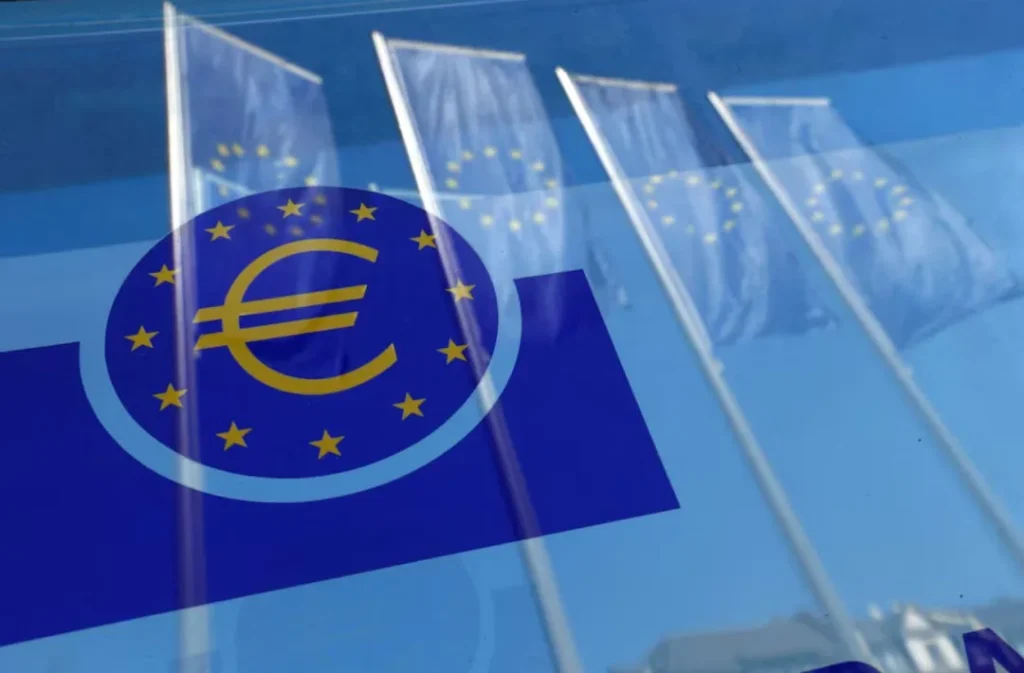
Brussels, Belgium. The European Banking Authority said the EU and EEA banking sector remains resilient despite intensifying geopolitical uncertainty following renewed conflict in the Middle East. It said banks are entering the period of uncertainty with strong capitalisation, ample liquidity and solid asset quality.
Risk dashboard and regulatory reporting
The EBA published the findings in its risk dashboard for the fourth quarter of 2025, which for the first time was presented alongside the new CRR3 and CRD6 regulatory dashboard, replacing the previous Basel III monitoring report.
Exposures to the Middle East
The authority said direct exposures to the Middle East totalled €132 billion at the end of 2025, including around €47 billion in loans and advances to financial institutions and approximately €33 billion to non-financial corporations. The EBA said exposures remain limited at less than 0.5 per cent of total banking assets.
Potential second-round impacts
The EBA warned that escalating tensions could trigger second-round economic effects, including higher energy prices, inflationary pressures, weaker global growth and supply chain disruptions. It said these risks are expected to affect energy-intensive sectors such as transport, construction and manufacturing.
Capital and risk-weighted assets
The report said risk-weighted assets rose by just over 1 per cent to €10.2 trillion in the fourth quarter of 2025. The common equity tier 1 ratio stood at 16.3 per cent.
How could higher energy prices and supply chain disruptions affect your sector?