


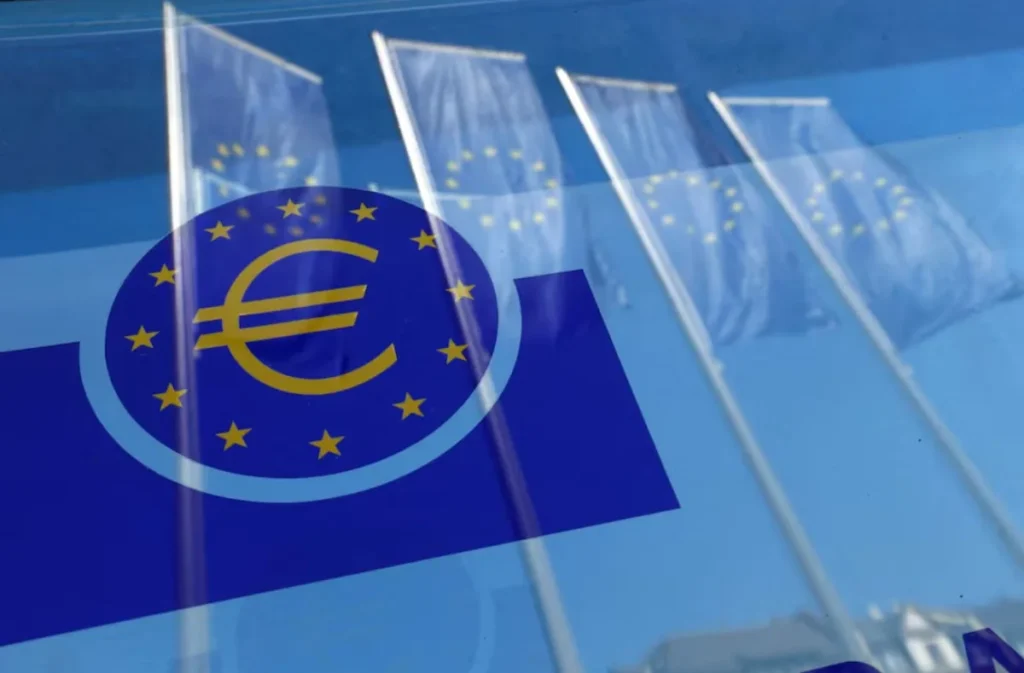
Nicosia, Cyprus. The Central Bank of Cyprus on Friday highlighted the European Central Bank’s thematic reverse stress test on geopolitical risks, which examined how 110 euro area banks under direct ECB supervision would respond to severe scenarios.
The exercise assessed banks’ ability to identify and evaluate potential threats amid heightened global uncertainty.
Reverse stress test
The exercise forms part of the ECB’s broader supervisory focus on geopolitical risks for 2026 to 2028.
Banks were asked to design plausible geopolitical scenarios based on their individual risk profiles. Each scenario was required to result in a 300-basis-point reduction in the Common Equity Tier 1 capital ratio.
Unlike traditional stress tests, which assess banks against a common scenario, the reverse stress test examined how effectively institutions could analyse the effects of geopolitical developments on their own business models.
Findings and supervision
The ECB said banks generally developed meaningful stress scenarios reflecting their specific vulnerabilities, but the exercise identified areas requiring improvement.
These included the detail and sensitivity of risk assessments, consistency between scenario descriptions and their effects on solvency and liquidity, the realism of proposed mitigating actions, and the assessment of interactions between capital and liquidity pressures.
The CBC said the findings would contribute to the ECB’s ongoing supervisory discussions with banks and could inform qualitative assessments under the Supervisory Review and Evaluation Process.
The exercise will not lead to changes in Pillar 2 guidance or leverage ratio Pillar 2 guidance.
Range of scenarios
The ECB said geopolitical risk has become a major supervisory concern because it can affect financial and non-financial risks across the banking sector.
Banks developed scenarios covering military conflicts, trade disruptions, energy and supply chain shocks, economic sanctions, macroeconomic instability and cyber incidents.