


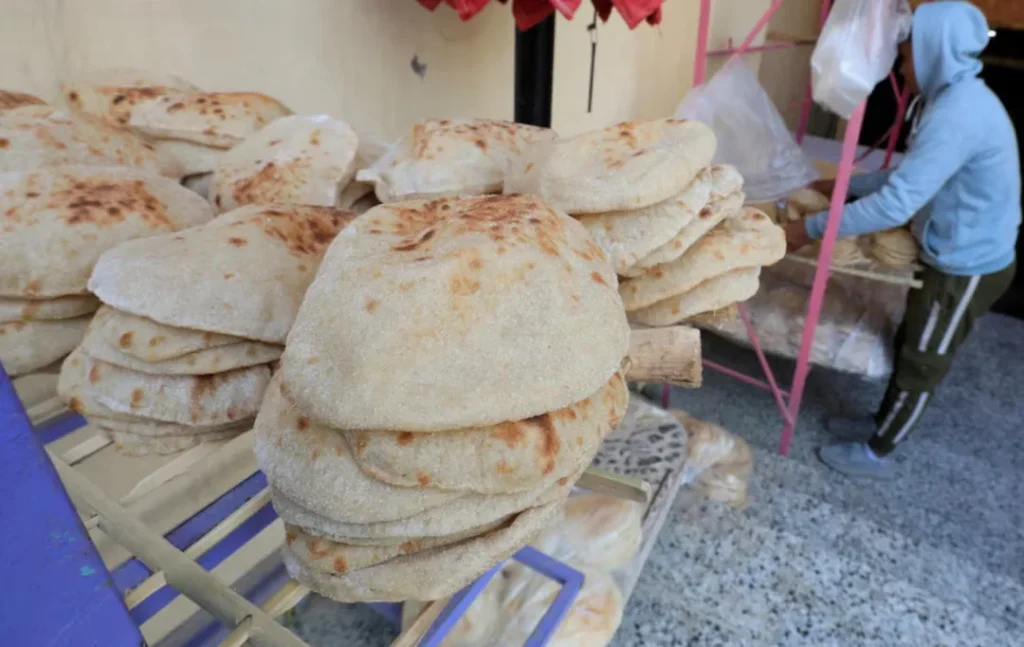
Cairo, Egypt. Egypt has set maximum prices for unsubsidised bread sold in private bakeries, reviving price controls as the government seeks to limit the impact on consumers of an expected rise in inflation due to the Iran war.
Price caps for unsubsidised bread
In a ministerial directive issued on Thursday, Supply Minister Sherif Farouk capped the price of unsubsidised loaves sold outside the state bread programme at 2 Egyptian pounds ($0.04) for an 80-gram loaf. The same ceiling was set for a 50-gram fino bread roll commonly used for sandwiches.
Smaller loaves were assigned lower maximum prices, with a 60-gram loaf capped at 1.5 pounds and a 40-gram loaf at 1 pound, the ministry said in a statement.
Inflation concerns and monitoring
Inflationary pressure is growing after a spike in global oil prices due to the war, which prompted Egypt to raise fuel prices, and analysts said the pressure will ripple through transport and production costs across the economy.
The measure aims to regulate markets and ensure citizens can obtain bread “at fair and appropriate prices,” the ministry said, adding that authorities will monitor bakeries and penalise violations.
Importance of bread and wheat imports
Egypt relies heavily on bread as a dietary staple, making price changes politically sensitive in a country of about 120 million people.
Egypt is typically the world’s largest wheat importer, relying on foreign supplies for more than 50 per cent of its consumption, to meet demand from both the private market and a subsidised bread programme that serves about 69 million people.
Industry concerns about enforcement
Similar measures have been temporary in the past, most recently in 2024 and 2022. But industry representatives questioned whether the government could effectively control prices in the unsubsidised market.
“There is no way the government can control the price of unsubsidised bread,” a grain industry source told Reuters on condition of anonymity.
If forced to sell at capped prices, bakeries might compensate by lowering quality, the source said, noting that wheat prices have recently risen by about 2,000 Egyptian pounds ($38) per tonne to around 16,000 pounds ($305), following fuel and transport price hikes.
How do you expect the bread price caps to affect what you pay for bread and the quality offered by private bakeries?