


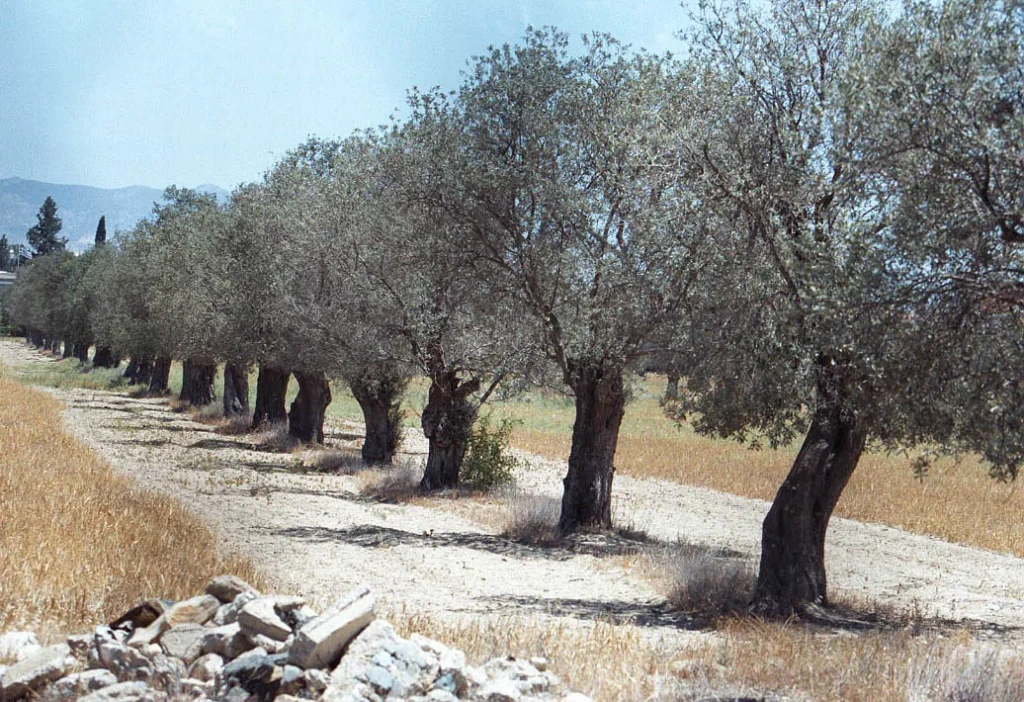
Nicosia, Cyprus. EU regulation for controlling olive oil quality, including in Cyprus, contains serious weaknesses that risk undermining consumer confidence, according to a European Court of Auditors report released last week. The report’s findings were described as particularly relevant for producing countries where quality is often high but traceability and marketing remain weak.
Audit findings on controls and traceability
The report said that in several EU member states, inspectors were unable to verify origin data due to gaps in documentation, fragmented controls and limited enforcement capacity. It also found that 93 per cent of olive oil samples tested across the EU met legal chemical requirements.
Ongoing issues in storage and oversight
Despite the high rate of compliance with chemical requirements, the report identified widespread problems including ageing storage, inconsistent oversight, and difficulties for authorities in tracing oils back to where olives were grown or pressed, even when such information is required under EU law.
Impact on producers in Cyprus and Greece
The report highlighted challenges for producing countries such as Cyprus, where olive oil quality is often high but traceability and marketing remain weak. It noted that much of Cyprus’ olive oil is exported in bulk to Italy, where it is blended, rebranded and sold at a premium, leaving local producers unrecognised and undervalued.
Cyprus-based olive oil specialist Nicolas Netien said the findings show a disconnect between genuine quality and how olive oil is traded and labelled across Europe. “Greek and Cypriot olive oils are among the highest quality in the Mediterranean, yet they are systematically sold in bulk to Italy where they are blended and marketed as Italian extra virgin,” he said. He added that around 85 per cent of Greek production is sold to Italian buyers and that Cyprus faces similar pressure, saying, “The quality is produced locally but the value is captured further up the supply chain.”
What do you think should change to improve olive oil traceability and consumer confidence across the EU?