


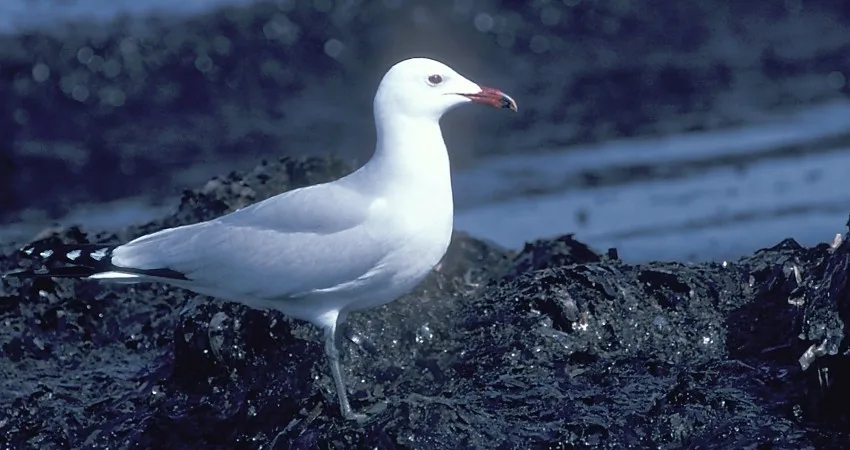
Brussels, Belgium. The European Union has designated the islets off the Karpasia peninsula as a conservation priority under a new international action plan for Audouin’s gull, as monitoring data shows Cyprus’s only breeding colony of the seabird is in decline.
EU action plan and conservation priorities
BirdLife Cyprus said in a statement released on Wednesday that the designation places renewed focus on protecting a site critical to the species’ survival in the Levant. The international action plan for Audouin’s gull was adopted by the EU in 2025 and was prepared by BirdLife International using the latest scientific data from 15 countries, including Cyprus. The plan maps the species’ distribution and sets targeted conservation priorities.
Kleides islets and Cyprus breeding colony
BirdLife Cyprus said the Kleides islets, at the northern tip of the Karpasia peninsula, host the country’s only breeding colony of Audouin’s gull, also known as the Mediterranean black-backed gull. The organisation described the site as vital for Cyprus’s seabirds and for conservation of the species across the Mediterranean.
Status of Audouin’s gull and monitoring work
Audouin’s gull is among the Mediterranean’s rarest seabirds, with adults breeding seasonally during spring and early summer on isolated rocky islets. BirdLife Cyprus said the Kleides colony is the easternmost breeding site of the species in the world. Since 2007, BirdLife Cyprus has carried out systematic monitoring of the colony in cooperation with Turkish Cypriot ornithological society Kuskor, and said it has been collecting data from Kleides contributing to knowledge about the species’ status.
What steps do you think should be prioritised to protect the Kleides islets and the breeding colony of Audouin’s gull?