


Limassol, Cyprus. The ongoing conflicts in the Middle East and Ukraine are expected to dominate discussions on Thursday as foreign ministers from the European Union’s 27 member states meet in Limassol.
Supply chains and navigation
Cypriot Foreign Minister Constantinos Kombos said the first topic on the agenda would be ensuring supply chains in light of the closure of the Strait of Hormuz. He said the question of how the EU can “move forward” and ensure freedom of navigation for ships passing through the chokepoint would be central to the talks.
Kombos said this issue had been central for most of Cyprus’ six-month term holding the rotating presidency of the Council of the EU. He said Cyprus’ slogan for the term, “an autonomous union, open to the world”, reflected the importance of keeping supply lines viable, which he described as a key priority for both the Cypriot government and the EU.
Ukraine
Kombos said the ministers would also discuss Ukraine and the need to ensure the country is equipped to continue fighting the war. He referred to the €90 billion loan granted by the EU earlier this year as evidence of the bloc’s commitment to Ukraine.
He added that talks with Ukraine on potential future accession to the EU were ongoing when asked whether ministers planned to urge the European Commission to open negotiation clusters with the country.
EU security strategy
The third main topic of discussion is the EU security strategy announced by European Commission President Ursula von der Leyen in January.
At the time, von der Leyen said the strategy was intended to “collect all the knowledge to acknowledge the geostrategic changes and needs” arising in the world, as well as to assess geopolitical changes and “give an appropriate response”.
Kombos said the aim of Thursday’s discussion would be to determine “how the EU partners will react to a very turbulent world”.
Kallas arrival
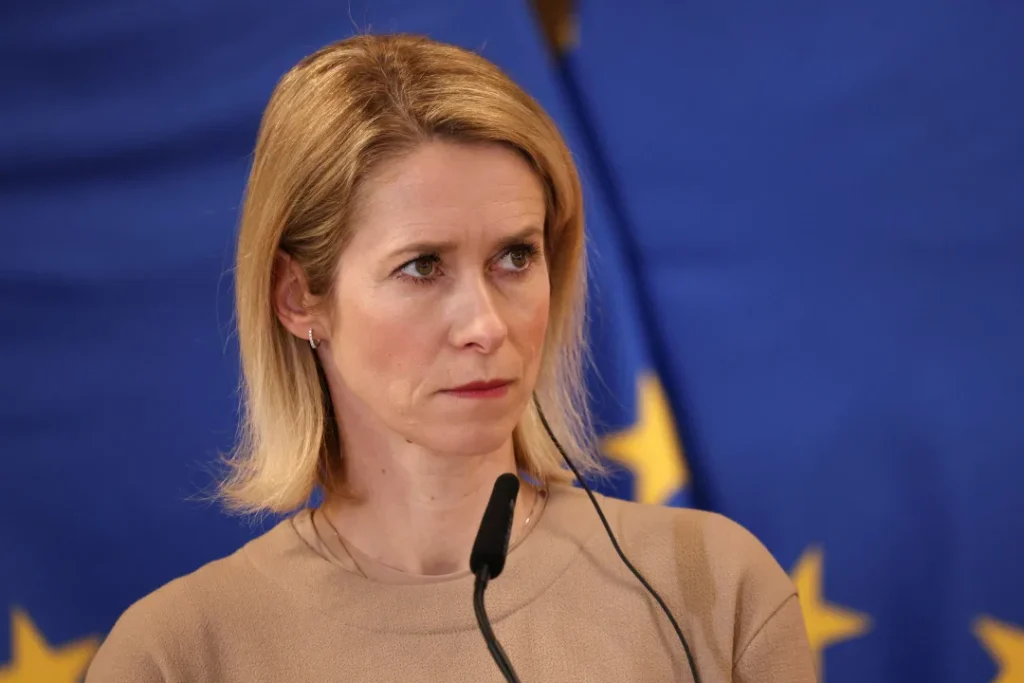
Ukraine dominated discussion on the arrival of EU foreign policy chief Kaja Kallas, although she declined to engage in questions about whether the EU would appoint a special envoy to try to negotiate peace.