


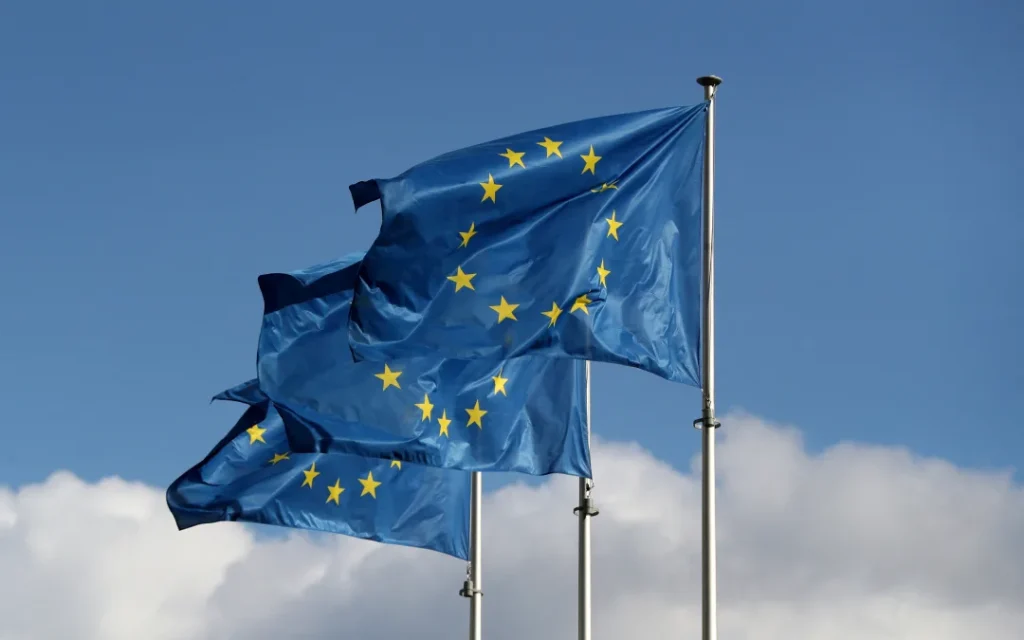
Brussels, Belgium. The Council of the EU and the European Parliament have reached a political agreement on the most far-reaching overhaul of the bloc’s customs framework in nearly six decades. Finance Minister Makis Keravnos described it as the biggest reform since the creation of the Customs Union in 1968.
Agreement and objectives
Speaking on behalf of the Cyprus Presidency, Keravnos said the deal would help the EU respond to new geopolitical realities while safeguarding economic security. He said the new EU customs code would provide modern tools to facilitate trade, ensure the proper collection of customs duties and offer legal certainty for businesses and authorities.
Background to the Customs Union
The reform marks a major shake-up of one of the EU’s oldest integration projects. Established in 1968, the EU Customs Union applies a common tariff to goods entering the bloc from outside, while allowing goods that have cleared customs to move freely within the EU without further tariffs or border checks. The current union customs code came into force in 2016.
Strains on the current system
In recent years, customs authorities have faced a sharp rise in e-commerce, tougher checks linked to product safety, environmental and firearms rules, and the need to react more quickly to sanctions, geopolitical tensions and crises such as the Covid-19 pandemic.
Rising volumes and fragmentation
According to the European Commission, around 5.9 billion low-value items entered the EU in 2025, with more than 90 per cent coming from China, adding to pressure on customs systems across the bloc. Importers currently deal with 27 national customs administrations, more than 111 separate IT systems and interfaces, and a structure that lacks a central EU customs database or full EU-wide supply chain supervision.
Risks cited by Brussels
Brussels has warned that the fragmented model leaves the bloc exposed to risks including lost public revenues and financial fraud, as well as drug trafficking, criminal activity and dangerous products reaching the market.
What impact do you expect the planned customs changes to have on cross-border trade in the EU?