


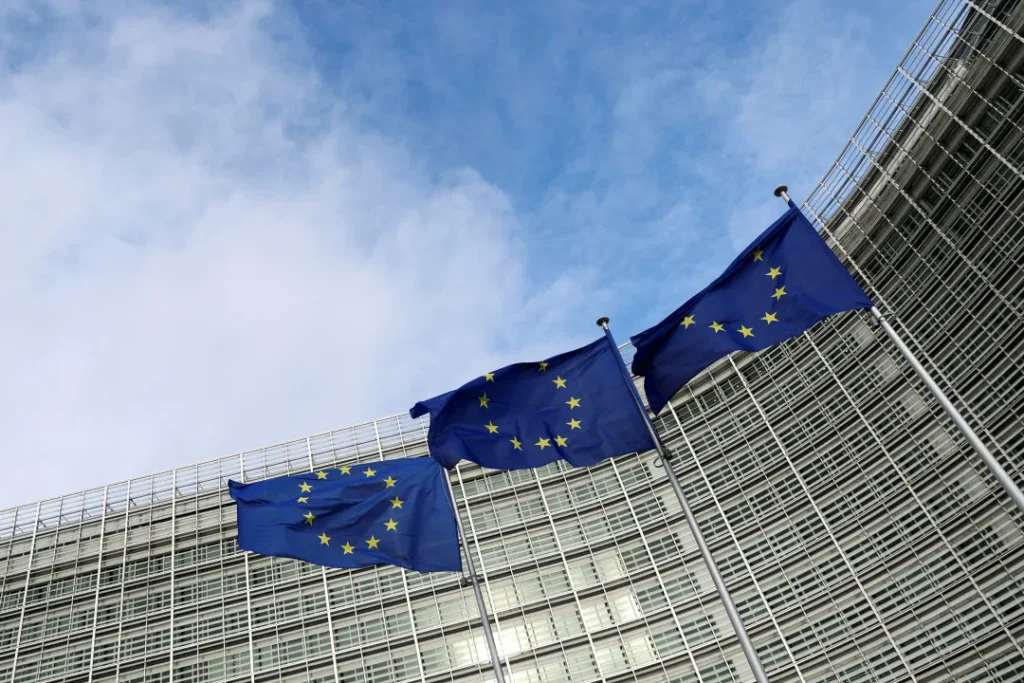
Brussels, Belgium. European Union leaders will meet on Thursday to discuss quick fixes to curb a jump in energy prices triggered by the Iran war, though officials say there are few easy options.
Import dependence and disruption risks
Europe’s reliance on energy imports has left it exposed to surging prices following the closure of the Strait of Hormuz, a route through which about 20% of global oil and liquefied natural gas supplies normally pass. European gas prices have risen by more than 60% since the US-Israeli war on Iran began on February 28.
Limited short-term options
Lithuanian Energy Minister Zygimantas Vaiciunas said the situation reinforced the EU strategy of decarbonising industries by replacing fossil fuels with locally produced low-carbon energy sources over the coming years. He added that in the short term there was no single instrument that could easily address the challenge.
Some governments have expressed doubt that the EU, with 27 member states that have different energy mixes and national taxes on energy, can realistically offset a price spike stemming from what officials described as unprecedented disruption in global markets. One EU diplomat said there would be no “magic solution”.
Commission asked for temporary toolbox
Draft summit conclusions seen by Reuters said leaders would instruct the European Commission to present “without delay a toolbox of targeted temporary measures” to address recent spikes in the prices of imported fossil fuels.
European Commission President Ursula von der Leyen on Monday outlined options under consideration, which did not include major EU interventions. The options included tweaks to the bloc’s emissions trading system and suggestions that governments cut national taxes or increase state aid for struggling industries.
None of the options is expected to dramatically reduce prices while the Strait of Hormuz effectively remains shut.
How do you expect EU governments to balance temporary relief measures with longer-term decarbonisation goals?