


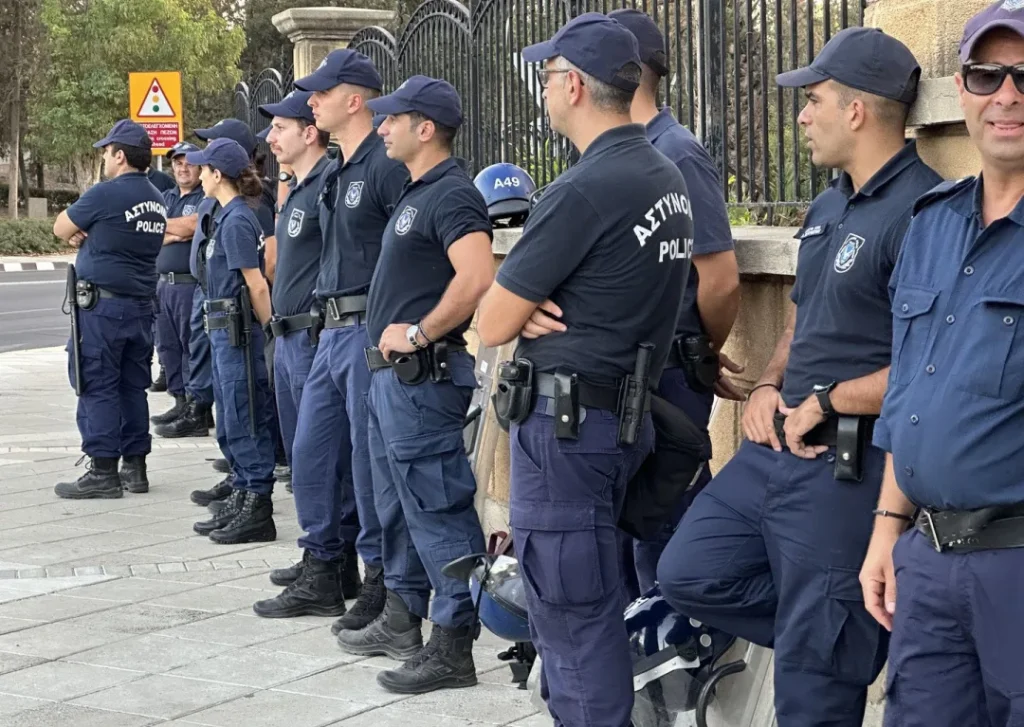
Nicosia, Cyprus. The European police confederation EuroCOP has warned EU leaders that a collapse in social dialogue within the Cyprus police is undermining Cyprus’ EU Council Presidency. The warning was set out in a letter to senior EU officials and Cypriot authorities.
Letter sent to EU and Cypriot leaders
EuroCOP raised the issue in a letter addressed to European Commission President Ursula von der Leyen, European Council President Antonio Costa and internal affairs commissioner Magnus Brunner.
Dated February 2 and signed by EuroCOP head of office Nigel Dennis, it was also sent to President Nikos Christodoulides and European Trade Union general secretary Esther Lynch.
Concerns over union engagement and alleged threats
According to the letter, EuroCOP has been in contact with the police trade union Isotita amid escalating tensions with the chief of police.
The discussions, it said, revealed “a profound breakdown in social dialogue, characterised by a refusal to engage in meaningful negotiations, a lack of replies to official correspondence and allegations of threats directed against union members”.
The letter described these practices as “completely unacceptable and fundamentally incompatible with European industrial relations standards”, adding that the situation is “particularly worrying, given that Cyprus currently holds the EU Council Presidency”.
References to EU rights and social standards
“At a time when the presidency is expected to exemplify the Union’s core values, the denial of meaningful social dialogue in a crucial public service undermines the credibility of the EU’s commitment to social rights and the rule of law,” it added.
Dennis said the right of workers and their organisations to bargain and take collective action is set out in Article 28 of the Charter of Fundamental Rights of the European Union.
He also cited the European Pillar of Social Rights, the European Social Charter and a relevant directive on adequate minimum wages as commitments by member states to promoting these principles, while warning that their effective implementation is called into question by the current situation in Cyprus.
Call for leadership and government intervention
According to Dennis, the refusal of the police chief to engage with the police union, together with the lack of intervention by the Cypriot government, constitutes “a failure of leadership and governance, which risks eroding trust within the police service.”
What steps should EU leaders take in response to EuroCOP’s concerns?