


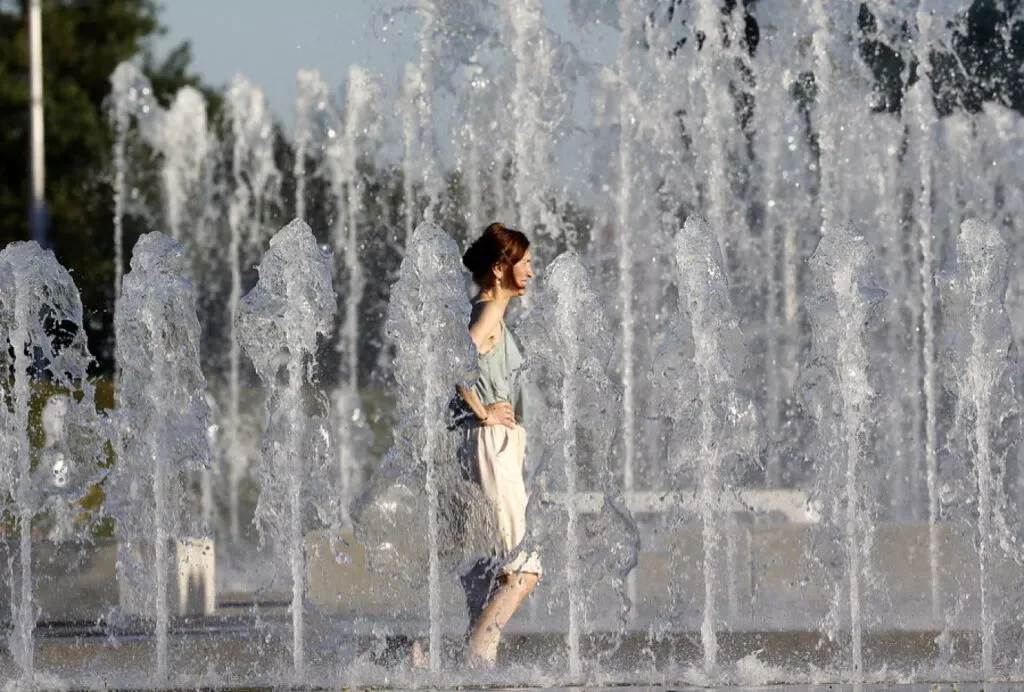
Paris, France. Temperatures were forecast to reach 40 degrees Celsius in parts of Europe on Sunday as storms moved into other areas, while France reported 1,000 excess deaths during the record-breaking heatwave. French health authorities said most heat-related fatalities involved older people and warned the toll could rise as more data becomes available.
Heatwave toll in France
The French public health agency said the majority of the deaths linked to the heat involved older people. It said the number was expected to increase as information on deaths in residential care facilities and private homes is collected.
Widespread impact across Europe
Scientists said the heatwave, which began on June 20, was the worst recorded in Europe. The conditions have disrupted power generation, damaged infrastructure and put pressure on healthcare systems.
World Health Organization Director-General Tedros Adhanom Ghebreyesus said on X that 150 million people were living under extreme heat, with hundreds of deaths reported, schools closed and power grids under strain.
Climate change findings
Tedros said heatwaves once considered to occur once in a generation are now happening nearly every year and that homes, workplaces and schools in Europe are not equipped for such conditions.
Scientists said the heatwave would have been virtually impossible without human-caused climate change. They said the high night-time temperatures recorded this week were 100 times more likely than they would have been two decades ago.
Disruption in Germany, France and Italy
Temperatures were forecast to near or exceed 40C in Germany, Poland and Italy. Storms in parts of France caused further disruption to travel and power supplies.
In Germany, train services were reduced on a major rail line in the western state of North Rhine-Westphalia, and tram services were suspended in the eastern city of Leipzig. Local media reported that many people remained at home and waited until sunset before going outside.
Effects on rivers and agriculture
In Rome, Pope Leo thanked worshippers for attending Sunday prayer in Saint Peter’s Square despite the heat.
The extreme temperatures have also affected Europe’s rivers by lowering water levels and raising water temperatures, creating problems for electricity generation and agriculture.