


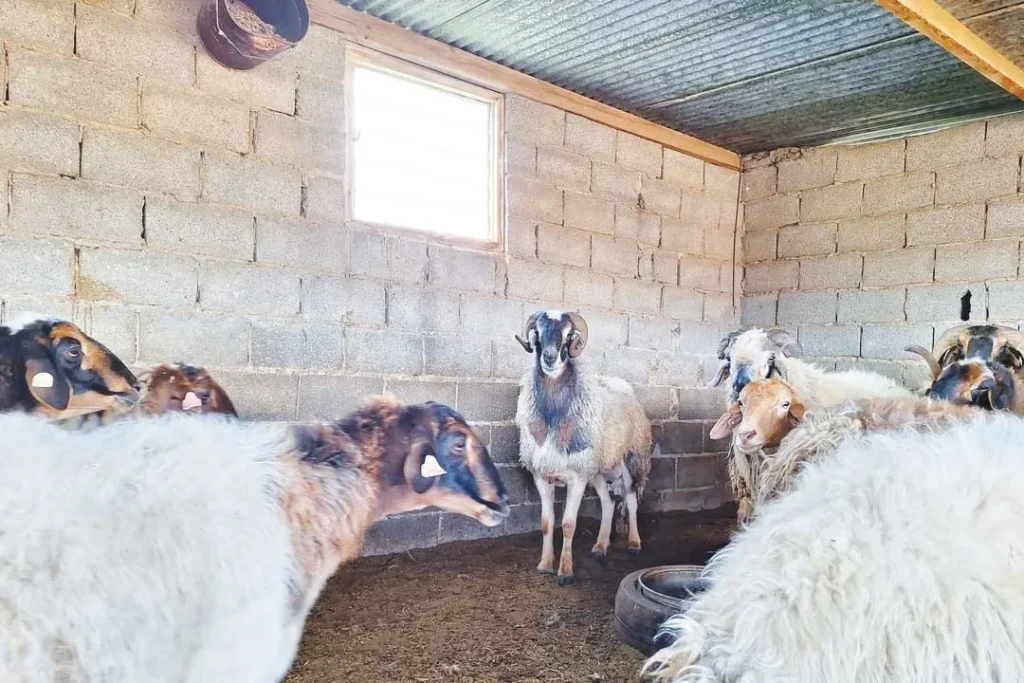
Dromolaxia, Cyprus. Veterinary services confirmed on Wednesday that an exemption has been granted allowing fat tailed sheep in Dromolaxia to be spared from culling under strict conditions as containment measures continue during a foot and mouth disease outbreak.
Decision and assessment
Authorities said the decision followed “a comprehensive evaluation of the epidemiological data”, including input from scientific bodies and animal health experts.
Veterinary services said the assessment took into account a report from the epidemiological team, recommendations from the agricultural research institute, and findings on the significance of the Cyprus fat tailed sheep breed.
It also considered “the data of the Dromolaxia livestock breeding zone” and “the commitments of the livestock breeder to fully implement all required measures”.
Biosecurity obligations and monitoring
The exemption is subject to strict biosecurity obligations.
Veterinary services said compliance will be required from the farm owner, management and scientific advisers, with continuous monitoring to ensure disease control standards are met.
Containment strategy unchanged
Authorities stressed that the decision does not alter the broader containment strategy for foot and mouth disease and that measures remain in place for surrounding farms, including those still negative for infection and others undergoing recovery processes.
Veterinary services said they “will continue to closely monitor the situation and constantly evaluate epidemiological data”, adding that decisions will be guided by public health, animal production and legal criteria.
Wider context and other exemption requests
The announcement comes amid wider concerns over livestock management in affected regions, including Dromolaxia and Pachna in Limassol, where disease control measures have led to extensive culling in other herds.
Officials also referred to similar cases involving other breeds, including the indigenous red cattle, and said requests for exemptions are being assessed individually.
What do you think the exemption decision means for disease control efforts in your area?