


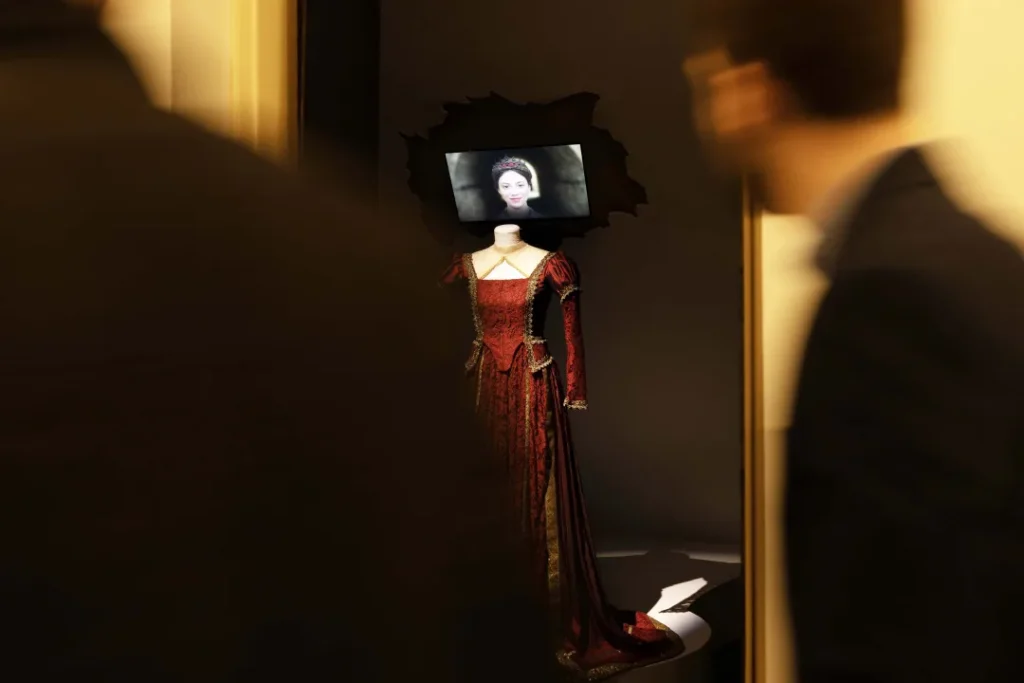
Nicosia, Cyprus. An exhibition titled Mediaeval Nicosia has opened in Nicosia, focusing on three medieval figures—Elena Denores, Lucretia Lasse and Katerina Flangi—through poems by historian and poet Nasa Patapiou. The exhibition aims to present women who helped shape the capital and their links to the city’s historical landscape.
Poems and archival research at the centre of the display
Patapiou said the three women in the poems shed light on the history of Nicosia because they are connected to important figures of their time and tied to mansions, bastions, temples and other landmarks of the capital. Patapiou also said the women are testimony to the aftermath of war and linked to the traumas and wounds of 1974.
Patapiou said archival research opens new avenues and that poetry preserves and commemorates events in a more apt way than history itself, adding: “Let us be guided by vision and not follow the beaten track.”
Exhibition venue and dates
The exhibition, organised by the Press and Information Office (PIO), opened on February 27 at the old town hall of the capital atop D’Avila Bastion of the city’s Venetian Walls. It will remain open until June 25.
Presentation to EU delegates
PIO director Aliki Stylianou highlighted the historical figures in a speech presenting the exhibition to delegates at the 15th Annual Direct Dialogue between EU Capital City Mayors and the European Commission, under Cyprus’ EU Presidency.
Stylianou said Cyprus, in the easternmost corner of the Mediterranean, belonged to Europe until the Ottoman conquest in 1570-1571. She said mediaeval and Renaissance Cyprus existed as a province of empires with capitals in Constantinople and Venice, and also as an independent European kingdom under the rule of the French Lusignan dynasty.
Quotation and historical reference to Ioannis Denores
Stylianou quoted Ioannis Denores, saying: “How many constructions and impregnable buildings, how many mansions and ruined residences have been rebuilt and are constantly being rebuilt, how many arid and barren places have been transformed into fertile lands. What love, how much affection and kinship between Venetian blood and Cyprus! What a transformation in the noble way of life!”
Denores, described as one of the most prominent Cypriots, addressed the Doge and the authorities of the Republic of Venice on December 21, 1520 in Venice, as a representative—together with Evgenios Synglitikos—of the urban community council, the Università del Regno di Cypro.
Denores, from a family that settled in Cyprus in the 13th century, was a landowner and merchant who was elected Viscount of Nicosia and in 1529 acquired the title of Count of Tripoli. The text also said Synglitikos ensured Denores acquired a similar status as Count of Rocca.
What aspects of the exhibition would you like to learn more about?