


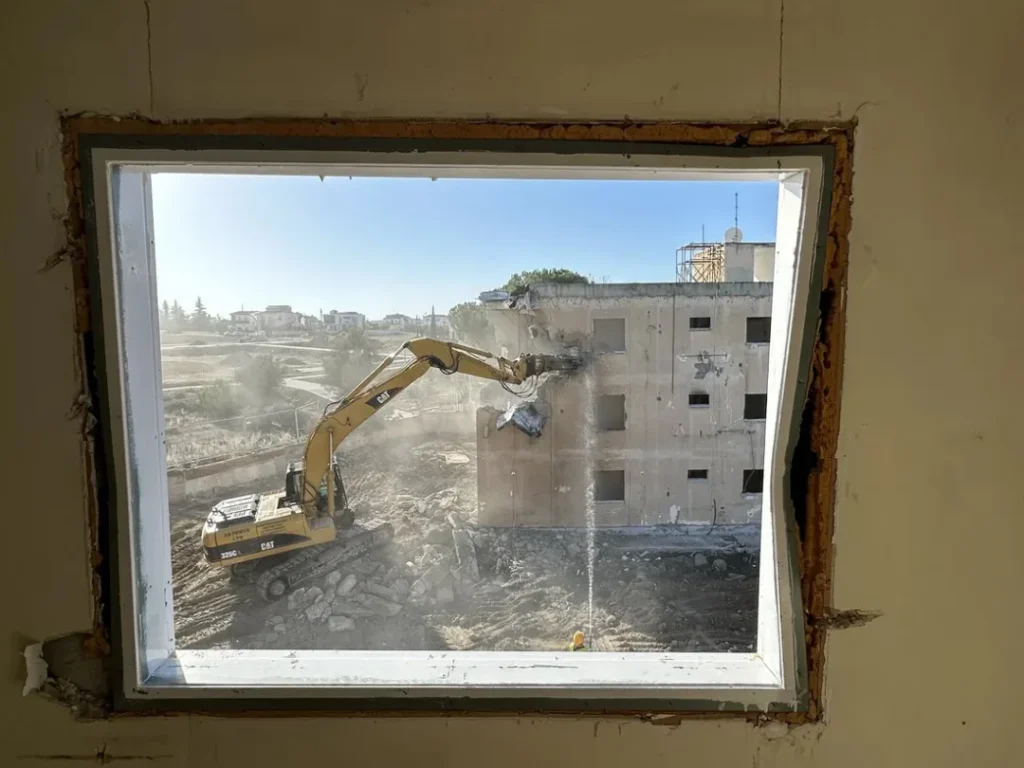
Nicosia, Cyprus. MPs were told on Tuesday that attempts to secure financing for some refugees enrolled in the Ktizo scheme have failed, leaving some unable to cover the required co-pay to relocate.
Ktizo scheme and scope
The government launched Ktizo in April 2023 as a €130 million long-term project to provide “respectable living conditions” on refugee estates, offering incentives to tenants to relocate to new housing. There are 358 refugee apartment buildings across the government-controlled areas.
Condition of refugee apartment buildings
Living conditions in some buildings have been described as dangerous, with refugees fearing the apartments are at the brink of collapse. Of the 358 buildings, 245 are deemed to be in satisfactory condition and 70 have problems requiring maintenance. The remaining 43 have structural issues, and their renovation is deemed unsustainable and not financially viable.
Relocation options and required contributions
Tenants of the 43 unsafe buildings who opt out of relocation will receive a one-off grant. Beneficiaries who choose to participate and move into new government-subsidised housing are required to contribute €10,000 for a single-bedroom apartment, €20,000 for a two-bedroom apartment, or €25,000 for a three-bedroom apartment, amounting to about 10 per cent of the new apartment’s value.
Loan attempts and bank response
In parliament on Tuesday, it emerged that some refugees cannot afford the co-pay amount. MPs heard that efforts to secure loans for these refugees to cover the out-of-pocket contribution have so far produced no results. Officials said they had approached “two major banks” for financing, but the banks did not respond.
How should the Ktizo scheme address beneficiaries who cannot afford the required co-pay to relocate?