


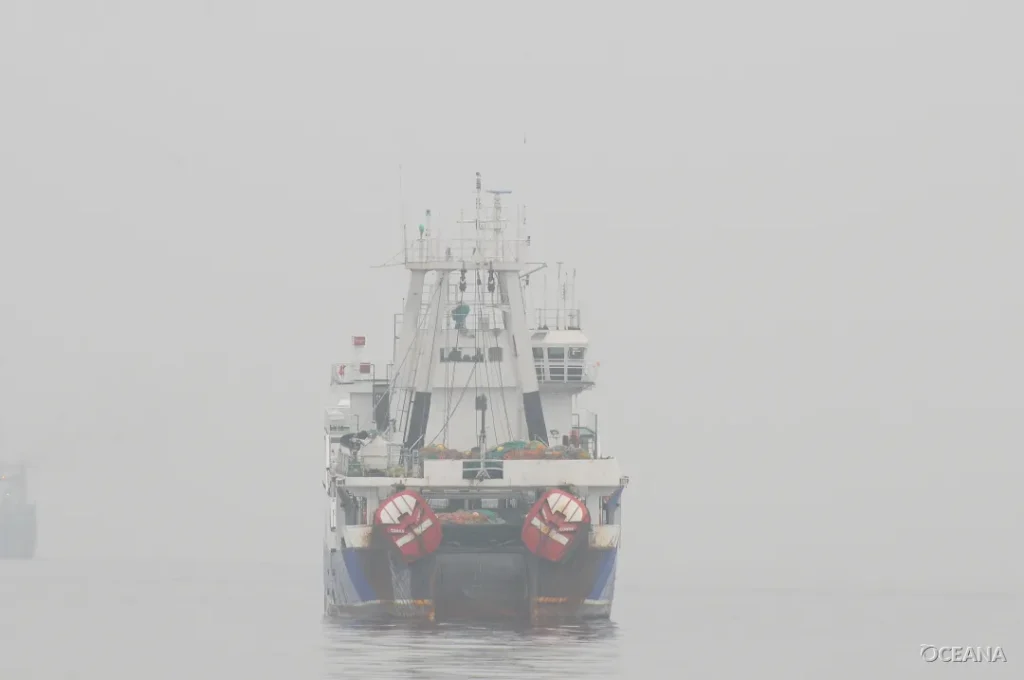
Nicosia, Cyprus. Fisheries transparency has emerged as an early test of Cyprus’ leadership of the Council of the European Union, as Oceana urged the government to tighten rules on fishing vessel ownership to curb illegal fishing and protect compliant operators.
Cyprus role in EU fisheries governance
With Cyprus holding the EU Council Presidency, the country is now at the centre of policy debates extending beyond national borders, including fisheries governance where environmental protection, economic fairness and regulatory credibility intersect.
Oceana letter to agriculture minister
In this context, international non-governmental organisation Oceana formally addressed Agriculture Minister Maria Panayiotou, calling for stronger transparency over the ownership of fishing vessels owned by Cypriot citizens or companies but operating under non-EU flags.
Concerns over non-EU flags and hidden ownership
Oceana warned that some operators register vessels in countries with weak regulations and lax controls, enabling them to hide their identities and engage in activities that may not meet the environmental or social standards applied to Cypriot-flagged vessels.
Examples cited involving Cameroon and Panama
Oceana said that in 2022, four fishing vessels flying the flags of Cameroon and Panama were traced back to owners in Cyprus, with both flag states identified by the EU as failing to effectively address illegal fishing.
Calls for identifying ultimate owners
The organisation said identifying those who profit from foreign fishing activities, particularly the ultimate vessel owners, is essential to prevent illegal fishing and protect law-abiding operators.
Financial and oversight risks
Oceana also pointed to the risk of illicit financial flows entering Cyprus when ownership structures remain opaque.
Flags of convenience and accountability gaps
The issue stems from a structural feature of the global fishing industry, where the legal use of so-called flags of convenience can create significant gaps in transparency and oversight. The letter said registering vessels in jurisdictions with weaker enforcement makes it harder for authorities to trace accountability when vessels are linked to illegal fishing.
Vessel example: Soley
One example cited was the fishing vessel Soley, which is owned by a Cypriot company but registered in Belize, a country described as having weak oversight of fishing vessels.
What steps should Cyprus take to improve transparency over fishing vessel ownership linked to Cypriot interests?