


Nicosia, Cyprus. Garden flowers and shrubs can attract bees and butterflies depending on colour, scent, and plant type. Several commonly grown plants are noted for their blooms and appeal to insects.
Flowers in bloom and rose varieties
Many flowers are in bloom, including roses, which flower all year round in some gardens and are mostly sweetly perfumed. A noted favourite is Rosa banksia, which has small yellow flowers, as well as some bushes with white flowers, though both are described as having no perfume.
Flower colour and insect preferences
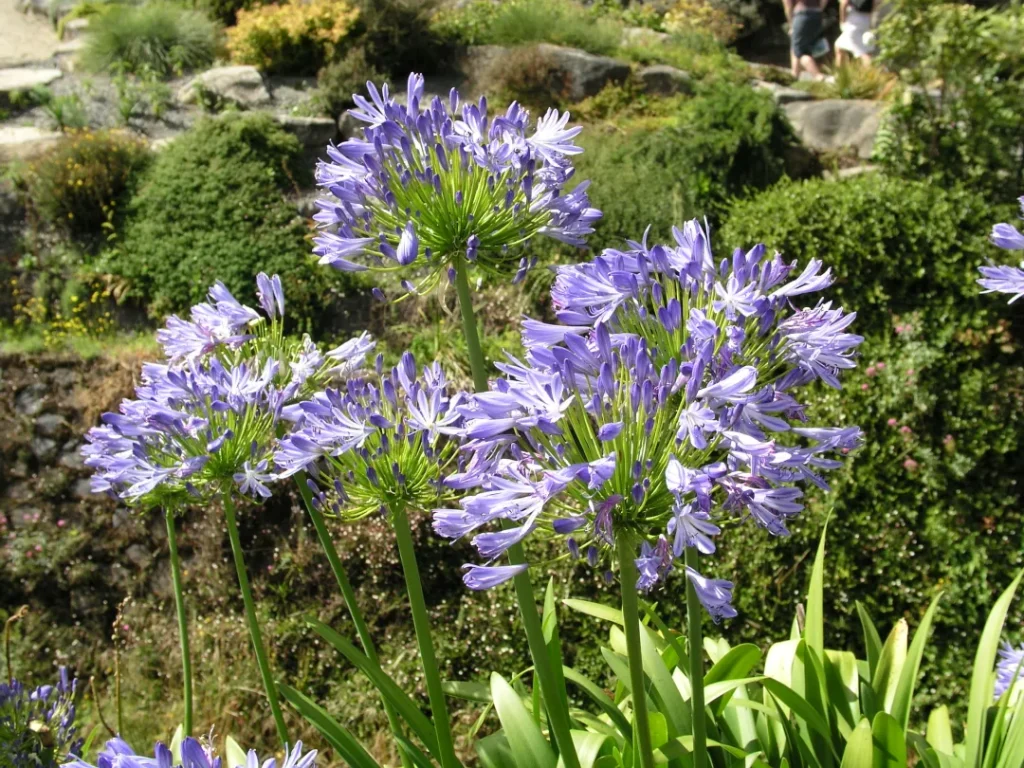
Flower colour is described as an important factor in attracting insects. Bees are said to prefer shades of blue through to purple, and are often found around lavenders and rosemarys. Butterflies are said to seek colours like yellows and whites and may be seen around citrus fruit trees, though exceptions are noted.
Perfume and plant scents
Some insects are drawn to the perfume of flowers, though they are said not to like the perfume of peppermints, cloves, or scents from the geranium family.
Bulbines, bulbinellas, and managing growth
For those with space who want to attract insects, bulbines or bulbinellas are suggested as plants that grow well locally and attract wildlife. They are also described as capable of taking over a garden if not kept trimmed back.
Leucophyllum frutescens and flowering after rain
Leucophyllum frutescens (the Texas Ranger) is described as a popular shrub or small tree that attracts insects and flowers repeatedly, especially after a shower of rain when its dusky rose-pink flowers quickly open. Spraying the top of the bush with water is described as a way to encourage more flowers.
Wisteria as an insect-attracting climber
Wisteria is described as a climber that can drape over a railing or fence quickly, with flowers that attract insects, although the flower panicles are short lived and may drop in heavy rain.
Prunus and citrus origins and botanical notes
Prunus trees are described as originally non-local, with origins from China to Asia Minor, and as able to grow in gardens at 1,000 to 1,500 metres elevation. Citrus trees are described as emanating mainly from China and as having adapted well to the Cyprus climate. Both prunus and citrus trees are described as hermaphrodite. Prunus fruits are described as drupes, fleshy one-seeded fruits, while citrus fruits are described botanically as hesperidium, modified berries containing seeds, described as pips in some cases.
Which plants in your garden attract the most bees and butterflies?