


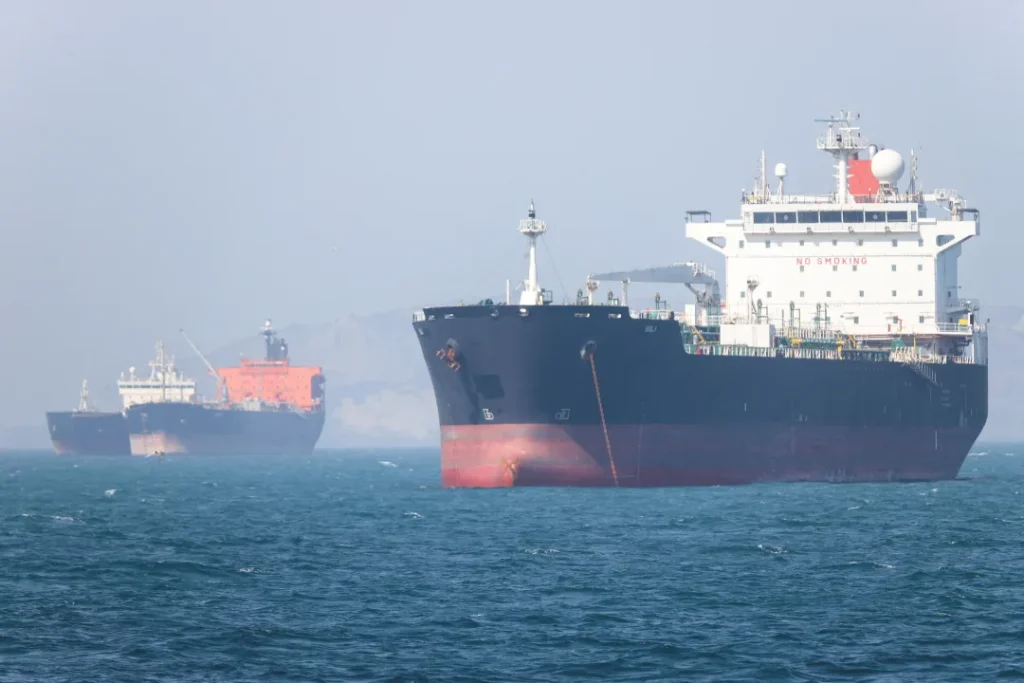
Nicosia, Cyprus. Disruption in the Strait of Hormuz has sharply reduced tanker traffic and impeded fertiliser and energy flows, raising concerns over food supply chains as well as energy markets. Cyprus faces added pressure due to its reliance on imported cereals and animal feed, alongside water scarcity and a livestock disease outbreak.
Strait of Hormuz disruption and shipping impacts
On 28 February this year, the war between the United States, Israel and Iran turned the Strait of Hormuz into what the article described as the most fought-over stretch of water on the planet. Within days, tanker traffic collapsed by more than 90 per cent, and on April 13 the United States Navy formalised a blockade of Iranian ports. Negotiations in Islamabad failed.
Fertiliser and natural gas flows linked to food systems
The Strait carries about 20 per cent of the world’s oil and liquefied natural gas, and also carries between 20 and 30 per cent of the world’s traded fertilisers, along with much of the natural gas used to manufacture the rest. Gulf countries account for nearly 49 per cent of global urea exports, around 30 per cent of ammonia exports, and close to half of all traded sulphur.
When QatarEnergy announced in March that it was halting downstream urea production because it could not move its LNG out, fertiliser prices rose. Middle East granular urea increased from roughly 450 dollars a tonne before the war to over 700, described as a jump of about fifty percent. European gas prices nearly doubled, and natural gas was cited as making up seventy to eighty percent of the production cost of nitrogen fertilisers.
UN agencies warn of rapid commodity disruption and hunger risks
FAO Chief Economist Máximo Torero called the disruption “one of the most rapid and severe disruptions to global commodity flows in recent times.” The UN World Food Programme estimated that if oil stays above $100 a barrel beyond June, an additional 45 million people could face acute hunger. “The clock is ticking,” Torero said. “We are in an input crisis. We don’t want to make it a catastrophe.”
Structural dependence on industrial fertiliser production
The Haber-Bosch process, described as converting natural gas into synthetic nitrogen fertiliser, was cited as feeding roughly half the people alive today and consuming between 1 and 2 per cent of annual global energy use. The article said that in intensive agricultural systems it takes 7 to 10 calories of fossil energy to produce a single calorie of food, while traditional and smallholder farming uses less.
The industrial model was described as producing most of what moves in global trade, including cereals and soybean meal that Cyprus imports to feed its animals, with embedded fossil fuel costs reflected in imported feed.
Cyprus exposure through imported cereals and feed
Cyprus imports most of its cereals, with domestic cereal production in 2024 cited at about 29,000 tonnes against a historical average of roughly 180,000. The animal feed sector was described as being built largely on imported grain and imported soybean meal, with the European Union as a whole only around three per cent self-sufficient in soybean meal by protein. The article said that when world feed prices rise, Cypriot livestock farmers feel it faster than almost anyone else in Europe.
Rainfall brings relief, but water scarcity remains
The winter of 2025 to 2026 was described as delivering meaningful rainfall. Reservoir storage, cited at 13.7 per cent of capacity in February, had climbed to 35.3 per cent by April 9, more than 11 percentage points above the same date last year. The Tamassos dam overflowed on 2 April, and fields across the island were described as visibly green, with a decent cereal harvest described as possible.
Marios Hadjicostis, identified as the senior engineer at the Water Development Department, called the season’s inflows “life-saving.”
The article said structural problems remain, citing Cyprus as having the highest Water Exploitation Index in the European Union at 71 per cent against a severe scarcity threshold of 40. It also said temperatures are rising roughly twenty per cent faster than the global average, and rainfall is down around fifteen per cent since 1901, noting that one wet winter is weather while four consecutive drought years is climate.
Livestock pressures and antibiotic use
The foot-and-mouth outbreak described as spreading from the north into Larnaca district in February led to the culling of more than 30,000 animals and a grazing ban that pushed farmers onto imported feed as feed prices rose.
According to European Medicines Agency ESVAC data cited in the article, Cyprus sells more veterinary antibiotics per kilogram of livestock than any other country in Europe, at 254.7 mg per population correction unit, compared with 4.4 in Iceland and 34 in Denmark. The article linked the figure to confinement, stress, and routine mass medication, and said these conditions increase vulnerability when an outbreak such as foot-and-mouth occurs.
What steps should Cyprus prioritise to reduce its exposure to global fertiliser and feed price shocks?