


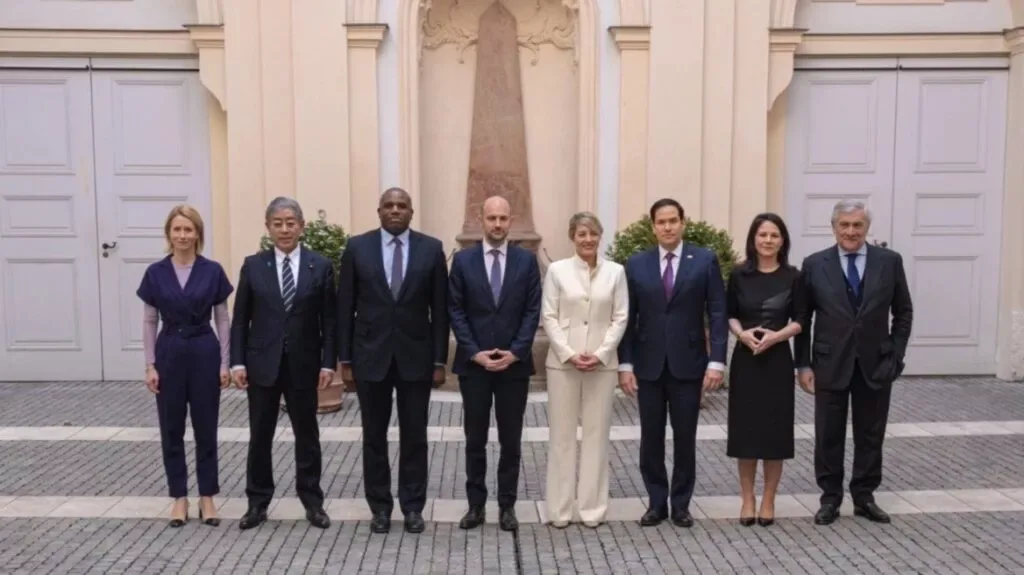
Paris, France. The International Energy Agency convened an extraordinary meeting on Tuesday to assess whether to release emergency oil stocks onto the market after G7 energy ministers asked the agency to evaluate the situation. The move comes as oil prices fluctuated sharply amid the conflict involving Iran.
IEA to evaluate supply security and market conditions
IEA Executive Director Fatih Birol said member states would “assess the current security of supply and market conditions to inform a subsequent decision on whether to make emergency stocks of IEA countries available to the market.”
EU Energy Commissioner Dan Jorgensen said the IEA’s Governing Board would deliver an in-depth analysis of the pros and cons of releasing reserves. French Finance Minister Roland Lescure said the G7 had asked the IEA to model scenarios for a potential release.
“We need to be ready to act at any moment,” Lescure told journalists after G7 ministers held a call to discuss soaring energy prices driven by the war in Iran .
Oil prices swing as conflict outlook shifts
Benchmark oil prices surged to near four-year highs on Monday before falling 11% on Tuesday after US President Donald Trump predicted the Middle East conflict could end soon.
Europe focuses on energy costs and supply resilience
European governments are concerned about a repeat of the 2022 energy crisis, when prices spiked to record levels following Russia’s invasion of Ukraine, forcing some industries to halt operations. Even before the Iran crisis, European energy prices were consistently higher than those in the United States and China.
European Commission President Ursula von der Leyen said on Tuesday that Europe’s dependence on fossil fuel imports placed it at a structural disadvantage and described the reduction in nuclear energy as a strategic mistake. The European Investment Bank would invest €75 billion over the next three years in energy infrastructure to ease grid bottlenecks and help bring down prices, the Commission announced.
Jorgensen said Europe was better positioned than in 2022, citing a more diversified energy supply. Before Moscow cut deliveries in 2022, the EU sourced around 40% of its gas from Russia, while Norway and the United States are now its top suppliers.
EU leaders scheduled to discuss prices and competitiveness
EU leaders were due later on Tuesday to discuss energy prices and competitiveness on a call including German Chancellor Friedrich Merz, Italian Prime Minister Giorgia Meloni, and Belgian Prime Minister Bart De Wever.
What do you think should be the main factor in deciding whether to release emergency oil stocks?