


London, United Kingdom. The Iran conflict has heightened concerns over the state of Britain’s armed forces and increased pressure on Prime Minister Keir Starmer to follow through on commitments to invest in defence after years of warnings about shrinking capabilities.
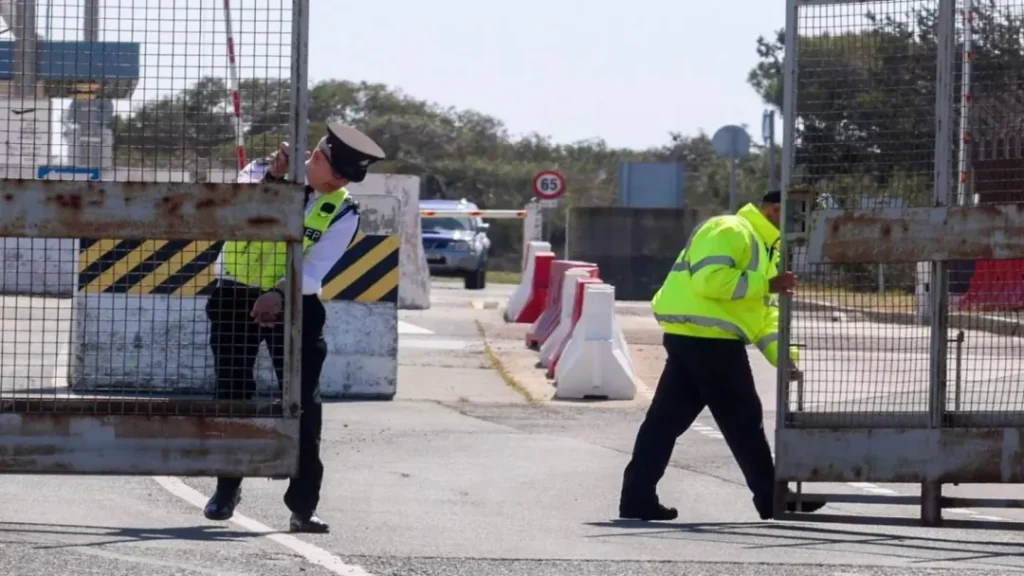
A drone strike on a British military base in Cyprus and the subsequent pace of the UK naval response have drawn renewed attention to Britain’s reduced military capacity.
Cyprus incident and deployment timeline
Early in the Iran conflict in March, a British military base in Cyprus was hit by a drone. Britain took three weeks to deploy one warship to the eastern Mediterranean.
France, Greece and Italy sent warships to Cyprus within days.
Reactions from the United States
Britain’s diminished military capacity has registered with U.S. President Donald Trump, who dismissed Britain’s two aircraft carriers as “toys”.
U.S. Defence Secretary Pete Hegseth also mocked what he called the “big, bad Royal Navy”.
Starmer’s defence spending claims
Defending his record on the armed forces, Starmer said on Wednesday that his government, in power for nearly two years, had put in place the biggest sustained increase in military spending since the Cold War.
Britain’s military is now about half the size it was then, and its army is the smallest it has been since the early 19th century.
Royal Navy personnel and fleet
Britain’s Royal Navy has 38,000 personnel and operates two aircraft carriers and a combined fleet of 13 destroyers and frigates.
In 1991, it had about 62,000 personnel, three aircraft carriers and about 50 destroyers and frigates.
The delays in sending a warship to Cyprus prompted criticism of the navy’s available surface fleet.
What steps do you think Britain should prioritise to address concerns about its military capabilities?