


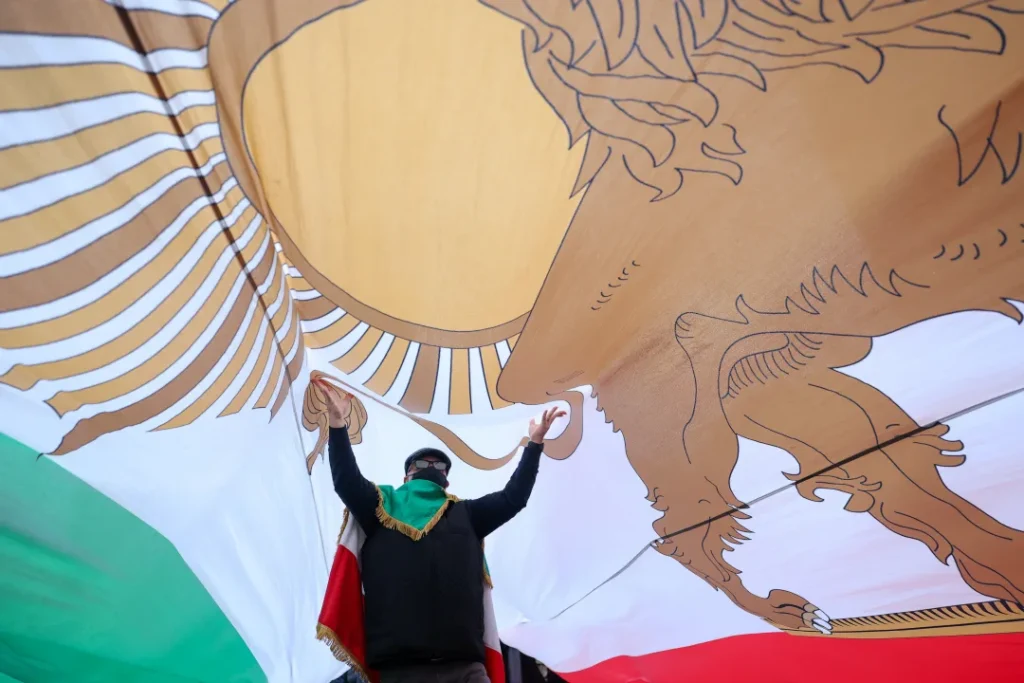
Tehran, Iran. An Iranian official said on Sunday that at least 5,000 people have been killed in protests across Iran, including about 500 security personnel. The official cited verified figures and blamed “terrorists and armed rioters” for killing “innocent Iranians”.
Protests and reported toll
Nationwide protests erupted on December 28 over economic hardship and over two weeks grew into widespread demonstrations calling for the end of clerical rule. The unrest has been described as the deadliest since Iran’s 1979 Islamic revolution.
U.S. statements and Iranian response
U.S. President Donald Trump has repeatedly threatened to intervene if protesters continued to be killed on the streets or were executed. In a social media post on Friday, he thanked Tehran’s leaders and said they had called off scheduled executions of 800 people.
A day later, Supreme Leader Ayatollah Ali Khamenei called Trump a “criminal” in a public speech, blaming him for casualties in Iran by supporting protesters. Khamenei said, “We will not drag the country into war, but we will not let domestic or international criminals go unpunished,” and acknowledged “several thousand deaths” that he attributed to “terrorists and rioters” linked to the U.S. and Israel.
Trump said in an interview with Politico on Saturday: “it’s time to look for new leadership in Iran”.
Judiciary warning on executions
Iran’s judiciary indicated that executions may go ahead. Judiciary spokesperson Asghar Jahangir told a press conference on Sunday that “a series of actions have been identified as Mohareb, which is among the most severe Islamic punishments”.
Mohareb, an Islamic legal term meaning to wage war against God, is punishable by death under Iranian law.
Rights group figures
U.S.-based rights group HRANA said on Saturday the death toll had reached 3,308, with another 4,382 cases under review. It said it had confirmed more than 24,000 arrests.
What impact will competing casualty figures have on international responses to Iran’s unrest?