


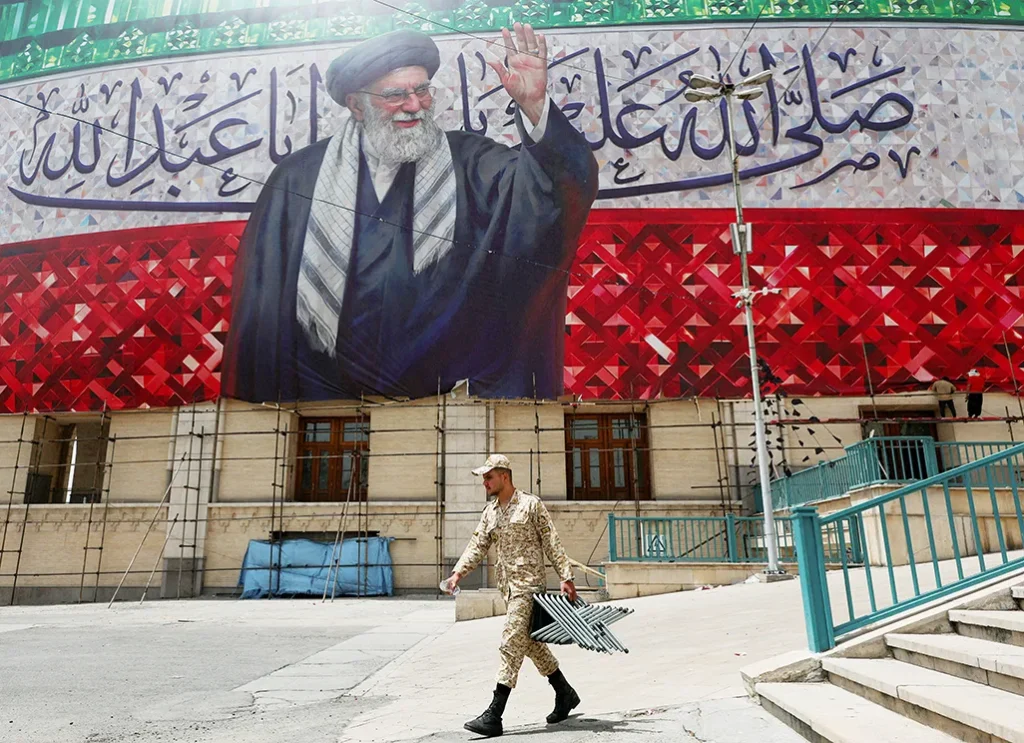
Tehran, Iran. Iran’s ruling clerics are preparing days of mass funeral rites for Ayatollah Ali Khamenei following his death in U.S. and Israeli strikes, presenting the events as a demonstration of public devotion to the Islamic Republic. Funeral events are due to begin over the weekend in Tehran, with mass processions planned next week in Qom and Mashhad and ceremonies in Iraq.
Funeral plans and official messaging
Khamenei, Iran’s supreme leader, was killed in what the article described as the first U.S. and Israeli attack of the war. Authorities are planning extensive public ceremonies and hope to mobilise millions of supporters by providing transport, accommodation and food.
Qom Friday prayer leader Ayatollah Mohammad Saidi told state media that a large public turnout at the funeral procession of the “martyred leader and the other martyrs” would amount to “another referendum for the Islamic Republic.”
Succession and political significance
Khamenei’s death and the succession of his son Mojtaba as Iran’s third supreme leader mark a major moment in the Islamic Republic’s 47-year history. Mojtaba Khamenei was described as dangerously wounded in the strike that killed his father and has not appeared in any new image since the war began.
Public sentiment and unrest
The article said that, despite the official display of unity and devotion, analysts believe public support for the Islamic Republic has significantly eroded. Many Iranians are described as frustrated by decades of sanctions affecting the economy and by repression carried out in the name of the 1979 revolution.
During demonstrations in December and January triggered by inflation, many protesters chanted for Khamenei’s death, and authorities put down the unrest by shooting thousands of protesters, according to the article.
Reaction in Tehran
After news of Khamenei’s killing began to circulate in the early days of the war, residents in Tehran reported hearing cheering from inside houses and apartments in parts of the city.