


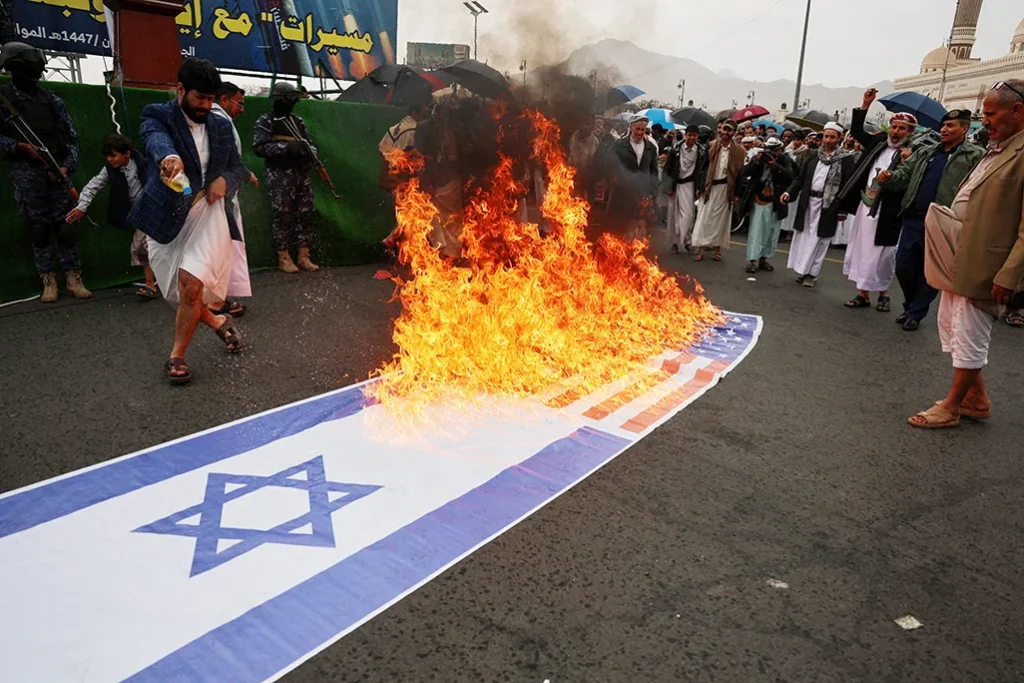
Tehran, Iran. Iran’s new supreme leader has rejected de-escalation proposals conveyed by intermediaries, saying it was not the right time for peace until Israel and the United States are “brought to their knees,” a senior Iranian official said Tuesday.
Rejection of proposals and stance on peace
The official said Ayatollah Mojtaba Khamenei held his first foreign policy session since being named supreme leader and took a stance for revenge against the United States and Israel that was described as “very tough and serious.” The official did not clarify whether Khamenei attended the session in person or remotely.
The official, who requested anonymity, said two intermediary countries conveyed proposals to Iran’s Foreign Ministry for “reducing tensions or ceasefire with the United States.” No further details were provided about the proposals or the intermediaries.
According to the official, Khamenei responded that it was not “the right time for peace until the United States and Israel are brought to their knees, accept defeat, and pay compensation.”
Leadership role and public visibility
In the Islamic Republic, the supreme leader has the final say in all matters of state. No new images of Khamenei have been released since his selection more than a week ago by a clerical assembly to replace his father, Ayatollah Ali Khamenei.
Some Iranian officials have said he was lightly injured in the strikes that killed his father, while U.S. officials have suggested he suffered severe injuries.
War enters third week and Strait of Hormuz remains restricted
The U.S.-Israeli war on Iran has entered its third week, with at least 2,000 people reported dead and no end in sight. The Strait of Hormuz remains largely closed off, with U.S. allies rebuffing U.S. President Donald Trump’s request for help to reopen the waterway, contributing to higher energy prices and fears of inflation.
In his first public message since his selection, read out by a state TV broadcaster last week, Khamenei said the Strait of Hormuz should remain closed as a tool of pressure on “Iran’s enemies.”
Diplomatic efforts
Three sources told Reuters on March 14 that Trump’s administration rebuffed efforts by Middle Eastern allies to start diplomatic negotiations aimed at ending the Iran war.
What impact do you think the continued restrictions on the Strait of Hormuz will have on energy prices?