


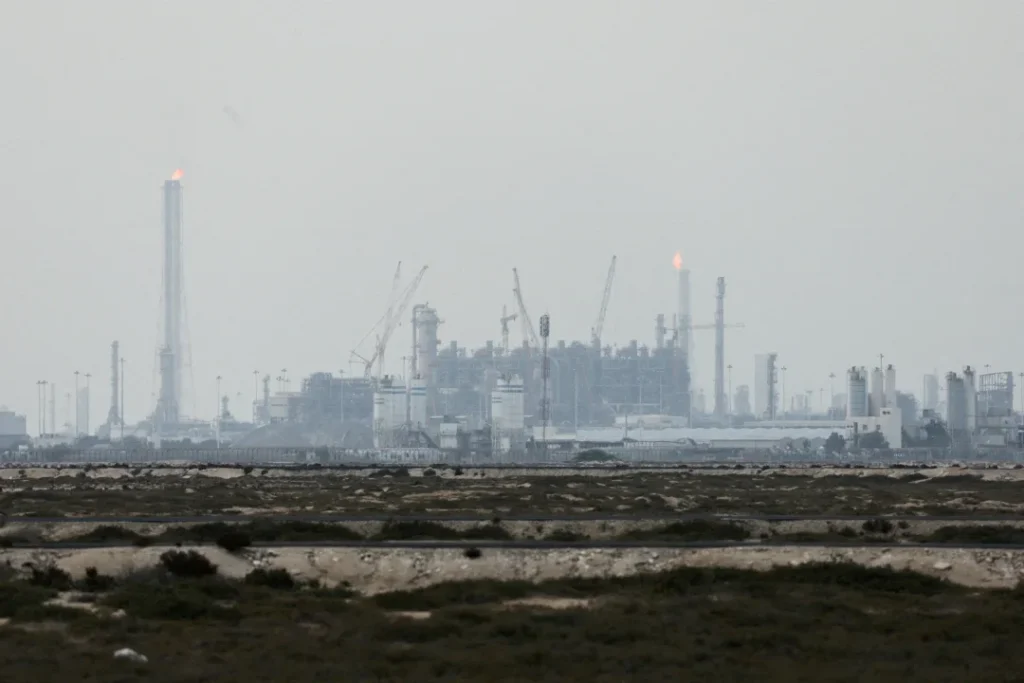
Doha, Qatar. Iranian attacks have knocked out 17% of Qatar’s liquefied natural gas export capacity, resulting in an estimated $20 billion in lost annual revenue and threatening supplies to Europe and Asia, QatarEnergy’s CEO told Reuters.
Damage to LNG and GTL facilities
QatarEnergy CEO Saad al-Kaabi said two of Qatar’s 14 LNG trains and one of its two gas-to-liquids facilities were damaged in the strikes. He said repairs will sideline 12.8 million tons per year of LNG for three to five years.
Kaabi said he did not expect Qatar and the region to face such an attack during the month of Ramadan, describing Iran as a “brotherly Muslim country.”
Context of the attacks
Kaabi spoke hours after Iran carried out a series of attacks at Gulf oil and gas facilities following Israeli attacks on Iran’s gas infrastructure.
Potential force majeure and affected buyers
Kaabi said state-owned QatarEnergy may have to declare force majeure on long-term contracts for up to five years for LNG supplies bound for Italy, Belgium, South Korea, and China due to the damage to the two trains. He said QatarEnergy had already declared force majeure for a shorter term and that the duration would now depend on the repair period.
ExxonMobil partnership
U.S. oil major ExxonMobil is a partner in the damaged LNG facilities. Kaabi said the Texas-based firm holds a 34% stake in LNG train S4 and a 30% stake in train S6.
Broader export impact and cost
Kaabi said Qatar’s exports of condensate will drop by around 24%, while liquefied petroleum gas will fall 13%. Helium output will fall 14%, and naphtha and sulphur will both drop by 6%.
He said the damaged units cost approximately $26 billion to build.
How could the potential force majeure affect LNG supply commitments to Italy, Belgium, South Korea, and China?